








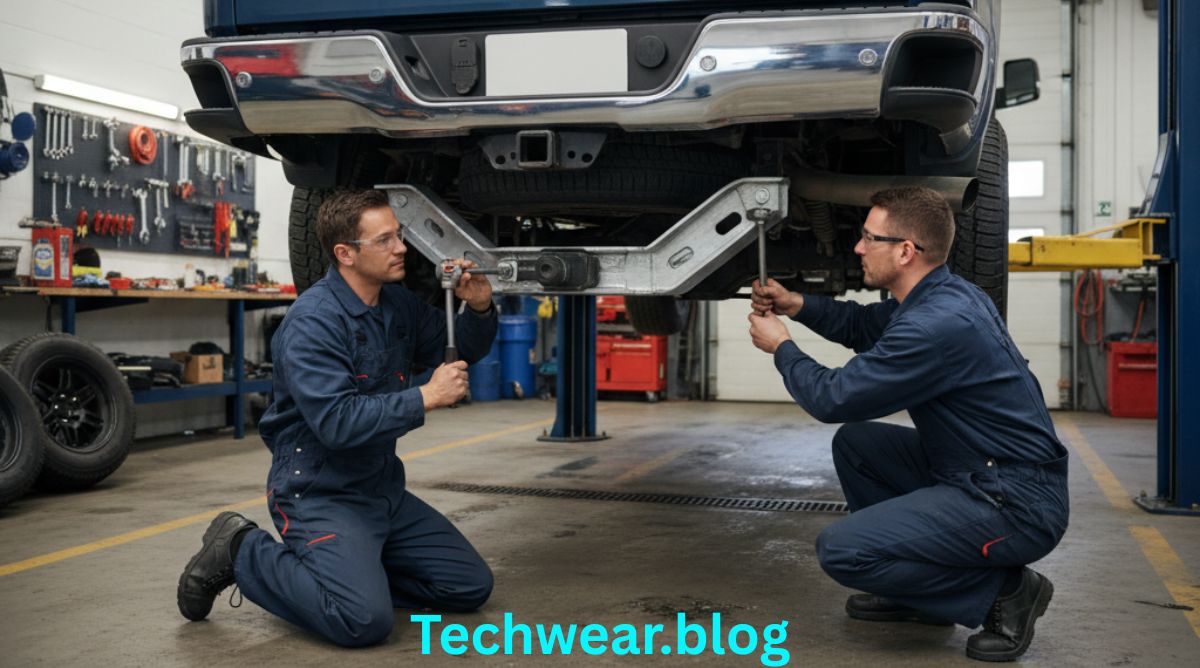
Installing a towing hitch is one of the most practical upgrades for any vehicle owner who wants to tow trailers, mount bike racks, or carry extra cargo. Whether you own a compact sedan, SUV, or heavy-duty pickup truck, having a reliable towing setup increases your vehicle’s versatility. But how much does it actually cost to install a towing hitch?
In this detailed guide, we’ll break down the costs, factors that influence pricing, the difference between DIY and professional installation, and helpful money-saving tips.
For background on what a tow hitch actually is, you can check the Tow hitch (Wikipedia) article for more technical information.
What Is a Towing Hitch?
A towing hitch (also called a trailer hitch) is a device attached to the chassis of a vehicle that allows it to tow a trailer or other load. The hitch serves as a strong anchor point for towing accessories like trailers, campers, or cargo carriers.
There are different classes of towing hitches based on the weight they can handle — from light-duty Class I hitches for small cars to heavy-duty Class V hitches designed for large trucks. Each class corresponds to the Gross Trailer Weight (GTW) and Tongue Weight (TW) capacities that determine how much your vehicle can safely tow.
Average Cost to Install a Towing Hitch
The cost of installing a towing hitch varies significantly based on the type of hitch, the make and model of the vehicle, and the method of installation. Here’s a breakdown of what you can typically expect to pay:
| Type of Hitch | Typical Cost (Parts Only) | Professional Installation | Total Estimated Cost |
|---|---|---|---|
| Class I–II (Light Duty) | $100–$250 | $100–$200 | $200–$450 |
| Class III (Medium Duty) | $150–$400 | $150–$300 | $300–$700 |
| Class IV–V (Heavy Duty) | $300–$700 | $200–$400 | $500–$1,100 |
| Gooseneck / Fifth-Wheel (Truck) | $500–$1,200 | $300–$1,000 | $800–$2,200 |
On average, most vehicle owners spend between $250 and $900 for a standard towing hitch installation. However, heavy-duty truck setups can exceed $1,500 due to additional parts and labor.
Factors That Influence the Cost of Installing a Towing Hitch
1. Type and Class of Hitch
The class of your towing hitch is the biggest factor that determines cost.
- Class I & II hitches are designed for small trailers or bike racks and are generally affordable.
- Class III hitches are the most popular for SUVs and light trucks, capable of towing boats, small campers, or utility trailers.
- Class IV and V hitches are built for towing large loads and require stronger materials and more complex installation.
- Gooseneck and fifth-wheel hitches are reserved for trucks towing heavy equipment or RVs, and their installation involves modifications to the truck bed, increasing both time and labor costs.
2. Vehicle Make and Model
Your vehicle’s design plays a major role in determining how much you’ll pay. Some vehicles come with pre-drilled holes or factory mounting points that make installation straightforward. Others, especially luxury models or compact cars, require custom brackets or bumper removal, which increases labor hours.
For example, installing a hitch on a Ford F-150 might take less than two hours, while fitting one on a Tesla Model Y or BMW X5 can take longer and cost more because of hidden mounting points and sensors.
3. Labor Costs
Labor charges depend on the complexity of installation and where you live.
- Independent mechanics or U-Haul centers may charge $75–$150 per hour.
- Dealerships often charge $120–$200 per hour due to higher overhead.
A simple bolt-on hitch can be installed in under two hours, while advanced setups requiring wiring or bumper trimming might take four or more hours.
4. Wiring and Electrical Components
If you plan to tow a trailer with lights or brakes, you’ll need a wiring harness to connect your vehicle’s electrical system to the trailer.
- Basic 4-pin wiring harnesses cost around $25–$75.
- Advanced 7-pin harnesses (for brake controllers and turn signals) can cost $100–$300.
Installation of these harnesses may add another $50–$150 in labor. Some newer vehicles require computer reprogramming or fuse upgrades, which can increase costs further.
5. Additional Accessories
You may also need additional parts like:
- Hitch ball and mount ($25–$100)
- Pin and clip ($10–$20)
- Hitch cover ($10–$30)
- Sway control or weight distribution systems ($150–$700)
- Trailer brake controller ($200–$400 installed)
These accessories ensure safe and stable towing but will raise your total cost.
Professional vs. DIY Installation
DIY Installation
Installing a hitch yourself can save hundreds of dollars, especially if your vehicle has factory-drilled mounting holes. You’ll only pay for the hitch and wiring kit — typically $100–$400 total.
Pros:
- Lower overall cost
- Satisfaction of completing the job yourself
Cons:
- Risk of improper installation
- May void warranty if not installed correctly
- Some vehicles require specialized tools or programming
Professional Installation
Professional installation is the safer option for most vehicle owners, especially if you plan to tow heavy loads. Professionals ensure the hitch is torqued correctly, wiring is properly connected, and all safety standards are met.
Expect to pay $150–$500 for labor, depending on complexity.
Pros:
- Correct fit and alignment
- Warranty on labor and parts
- Saves time and ensures safety
Cons:
- Higher upfront cost
Hidden or Extra Costs to Consider
While the advertised price for a hitch might seem reasonable, there are often hidden costs.
- Vehicle-specific wiring harnesses may cost extra.
- Computer reprogramming or calibration may be required for vehicles with advanced driver-assist systems.
- Bumper trimming or modifications can increase labor time.
- Rust protection or undercoating may be recommended after installation.
- Inspection or registration fees in certain regions (rare but possible).
Always ask for an itemized estimate before approving installation to avoid surprise charges.
Where to Get a Hitch Installed
You can have a towing hitch installed in several types of places:
- U-Haul or Trailer Specialty Shops – Usually the most affordable, with standardized pricing.
- Auto Repair or Tire Shops – Convenient and competitive pricing; labor quality depends on experience.
- Car Dealerships – Best for vehicles under warranty, but typically the most expensive.
- DIY (Home Installation) – Cheapest if you have tools and experience.
Before choosing a provider, read reviews and confirm that the installer uses torque specifications recommended by the hitch manufacturer.
How to Save Money on Towing Hitch Installation
- Buy online and install locally: Order the hitch and wiring kit online from trusted retailers and take it to a local shop for labor only.
- Check for coupons or promotions: Many shops offer seasonal discounts on installations.
- Bundle services: If you’re also getting tires or an oil change, some shops may offer a discount for adding hitch installation.
- Compare quotes: Always get at least three estimates before deciding.
- DIY simple installs: If your vehicle has a bolt-on hitch, you can save hundreds by installing it yourself.
Is It Worth Installing a Towing Hitch?
Yes — installing a towing hitch adds long-term value and versatility to your vehicle. Even if you don’t plan to tow a trailer often, you can use it for:
- Bike racks and cargo carriers
- Small utility trailers
- Moving equipment or boats
- Towing rental trailers during relocations
For frequent travelers, campers, or outdoor enthusiasts, a towing hitch is one of the most practical vehicle investments.
Final Thoughts
The cost to install a towing hitch depends on multiple factors — your vehicle type, hitch class, labor rates, and whether you need wiring. Most drivers will spend between $250 and $900 for a standard hitch setup, while heavy-duty truck owners may pay up to $2,000 for advanced fifth-wheel systems.
Choosing professional installation ensures safety and reliability, but confident DIYers can save money by handling simple installs themselves. Always confirm your vehicle’s towing capacity before purchasing a hitch, and ensure all components meet local road safety regulations.
If you want to dive deeper into the technical side of hitch classifications, load limits, and designs, you can visit the Tow hitch (Wikipedia) article for more in-depth information.