








Flood damage is one of the most stressful things that can happen to a vehicle owner. Whether caused by heavy rain, rising water, or a hurricane, a flooded car can suffer from electrical failures, engine damage, and corrosion. However, depending on how much water got in and how quickly you act, your car may still be salvageable.
This complete guide explains how to fix a flooded car, step-by-step — from initial safety checks to restoration and long-term prevention.
For more background information on how vehicles work, visit Automobile (Wikipedia).
Understanding Flood Damage
Before you begin, it’s crucial to assess how badly your car has been flooded. The type of water and how long the car was submerged makes a huge difference in the repair process.
Types of Flooding:
- Freshwater Flooding: Caused by rain or rivers — usually easier to clean and repair.
- Saltwater Flooding: Caused by ocean or coastal floods — highly corrosive and can ruin electronics quickly.
If the vehicle has been fully submerged, especially in saltwater, it might not be economically feasible to repair. But if only the interior or lower parts were flooded, you may still be able to fix it.
Step 1: Safety First — Don’t Start the Engine Yet
When your car has been in water, do not try to start it immediately. Doing so can cause serious damage if water has entered the engine, transmission, or fuel system.
Instead, follow these safety checks:
- Disconnect the battery: Prevents electrical short circuits.
- Avoid standing in water: Especially if power lines or electronics are nearby.
- Inspect for visible damage: Check for debris, mud, or water lines inside the vehicle.
- Push or tow the car to a dry, safe location for further inspection.
Once the car is out of water, the restoration process can begin.
Step 2: Assess the Level of Water Damage
The first thing to determine is how high the water rose inside the car.
Water Level Indicators:
- Carpet wet only: Minor flooding, typically fixable with cleaning and drying.
- Seats soaked: Moderate flooding — likely damage to electrical systems under the seats.
- Dashboard or steering wheel submerged: Severe flooding — potential damage to ECU (Engine Control Unit) and wiring harness.
If water reached the dashboard or higher, repairs can be complex and expensive. However, cars with moderate flooding can often be restored with proper care.
Step 3: Remove Water and Dry the Interior
Drying the interior quickly is essential to prevent mold, mildew, and corrosion.
Steps to Dry the Interior:
- Remove everything: Take out floor mats, seat covers, and trunk liners.
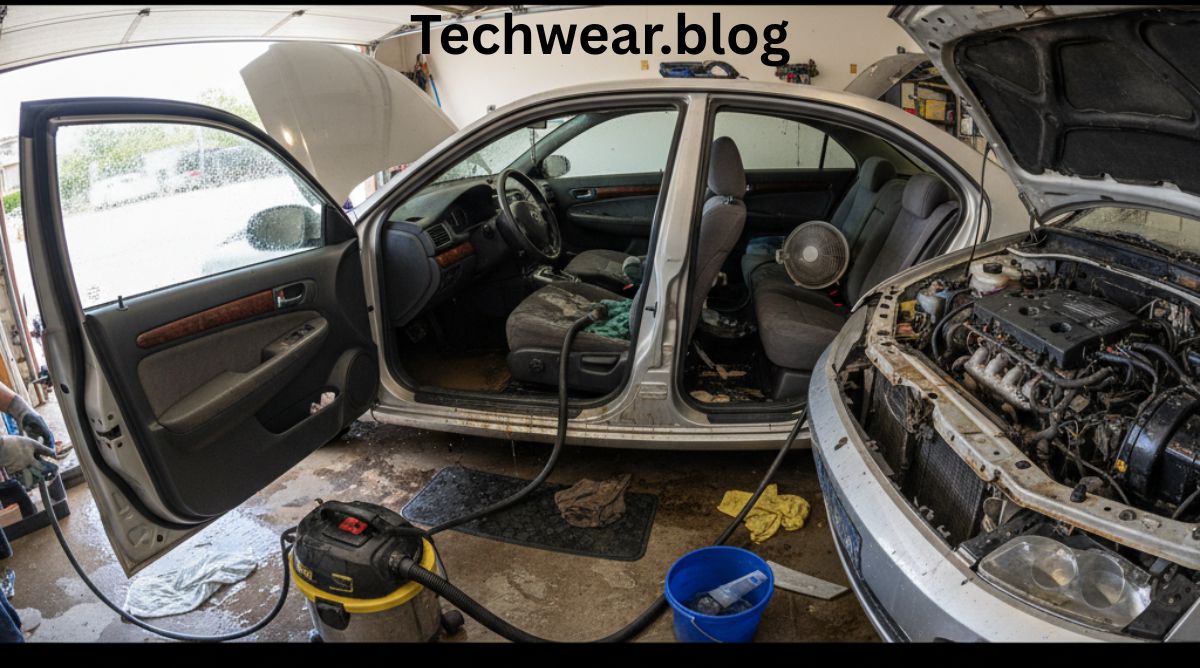
- Use a wet/dry vacuum: Extract as much standing water as possible.
- Remove seats and carpeting: If soaked, pull them out for thorough drying.
- Use towels and absorbent materials: Soak up remaining moisture.
- Dry the car completely:
- Leave doors and windows open if weather allows.
- Use fans, dehumidifiers, or heaters to speed up drying.
If you have access to a garage with ventilation, leave the vehicle to dry for 24–48 hours before proceeding.
Step 4: Inspect Electrical and Electronic Systems
Water is the enemy of modern car electronics. Even small amounts of moisture can cause corrosion and short circuits.
Check These Areas:
- Fuses and relays under the hood and dashboard
- Wiring harnesses under seats and carpets
- Control modules (especially ECU and transmission control)
- Airbag sensors and connectors
- Power seat motors, windows, and locks
Use a multimeter to test connections and replace any corroded or damaged components.
If your engine control unit (ECU) was submerged, it may need to be replaced or professionally rebuilt — a costly but necessary fix for proper operation.
Step 5: Check the Fluids
Floodwater can contaminate the engine oil, transmission fluid, brake fluid, and coolant.
Here’s what to do:
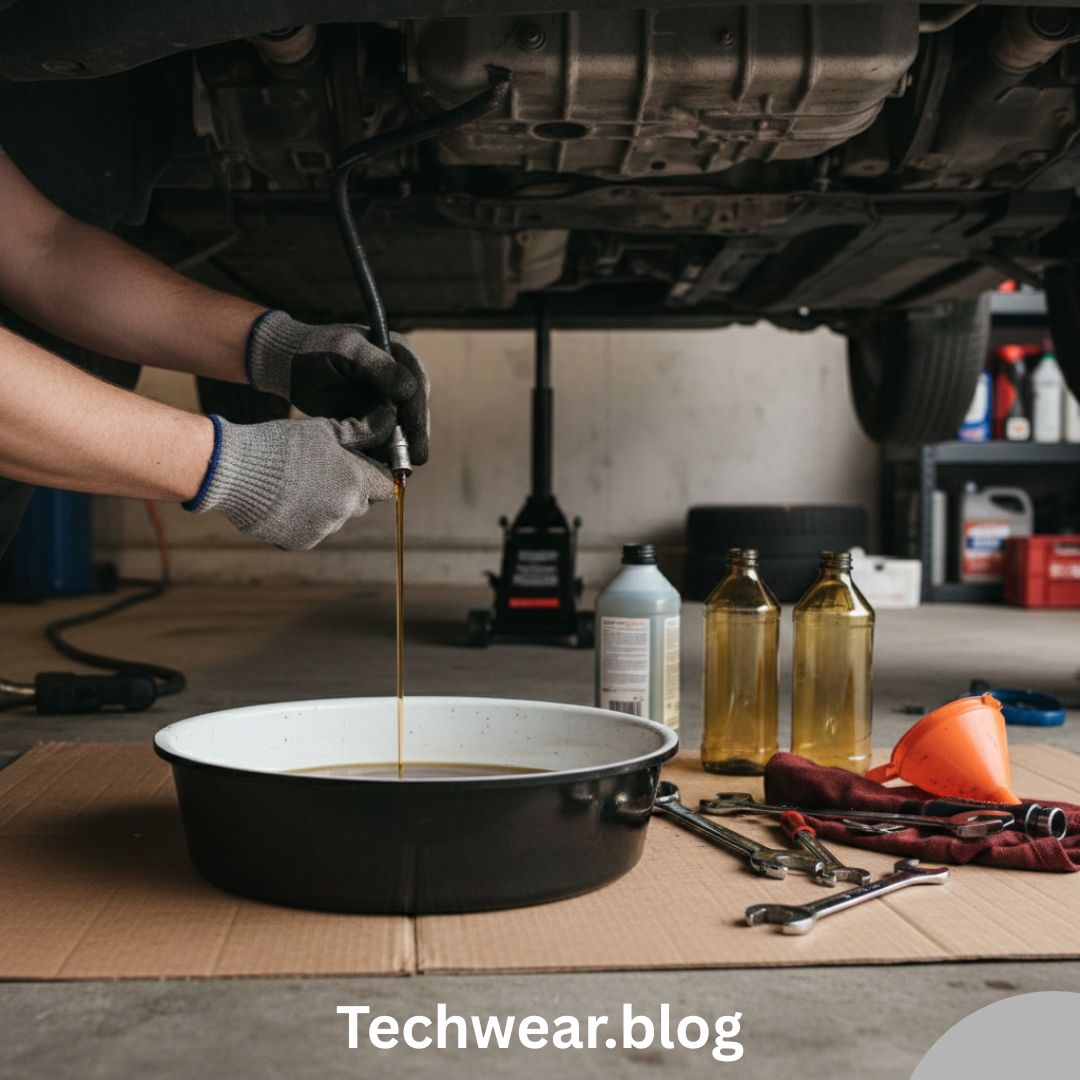
- Engine oil: Pull out the dipstick — if the oil looks milky, water has entered the system.
- Drain and refill the oil immediately.
- Transmission fluid: Check for discoloration or cloudiness. Replace if contaminated.
- Brake fluid and coolant: Inspect and replace if necessary.
Always replace filters (oil filter, air filter, fuel filter) after flood exposure. The air filter box often traps water and must be completely dried.
Step 6: Inspect the Engine
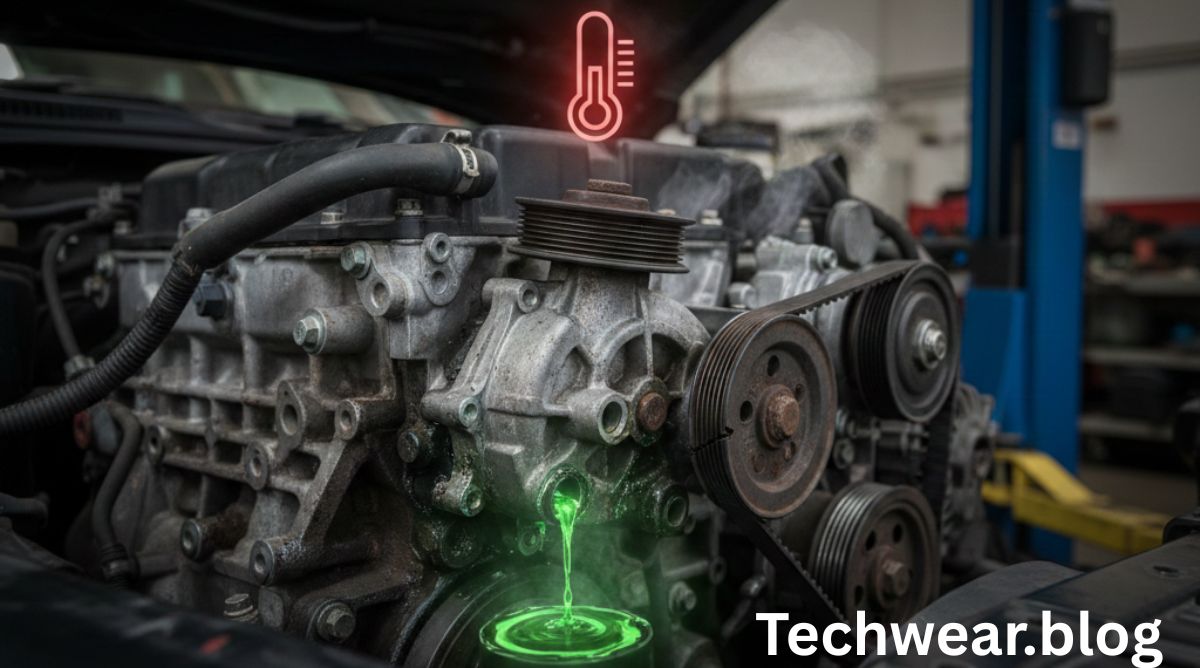
If water entered the engine, you must clear it before starting the car. Attempting to start a flooded engine can cause hydrolock, a condition where water in the cylinders prevents piston movement, leading to bent rods or catastrophic engine failure.
To clear water from the engine:
- Remove the spark plugs or glow plugs (for diesel engines).
- Turn the engine manually or use the starter motor briefly to expel water from cylinders.
- Dry the intake manifold and throttle body thoroughly.
- Reinstall the plugs and refill fresh engine oil.
If you’re not experienced with engine work, this step should be done by a qualified mechanic.
Step 7: Clean and Disinfect the Interior
Floodwater often carries bacteria, silt, and unpleasant odors. Cleaning is essential for both hygiene and comfort.
Cleaning Tips:
- Use automotive shampoo and disinfectant on carpets, seats, and door panels.
- Clean HVAC vents with disinfectant spray to remove mold.
- Replace the cabin air filter.
- Wipe down all surfaces with a mixture of vinegar and water to neutralize odors.
If the car smells musty even after cleaning, use ozone treatment or professional detailing services to eliminate remaining odors.
Step 8: Inspect Undercarriage and Mechanical Parts
Flooding affects not just the interior but also critical mechanical components underneath your car.
Check:
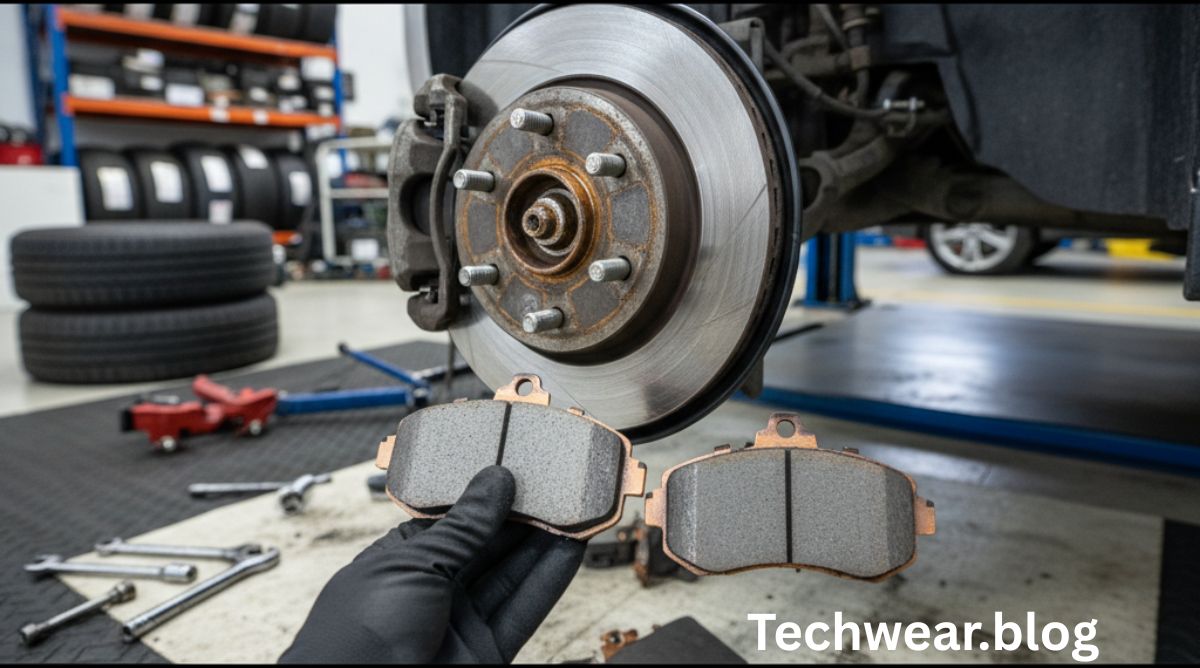
- Brakes and rotors: Remove rust buildup. Replace brake pads if soaked.
- Exhaust system: Drain water and inspect for corrosion.
- Wheel bearings and suspension joints: Clean and re-lubricate.
- Fuel tank and lines: Check for water contamination — drain fuel if necessary.
Saltwater floods are especially harsh on metal components. After cleaning, spray a rust inhibitor on exposed metal parts to prevent long-term corrosion.
Step 9: Test All Systems Before Driving
Once everything is cleaned, dried, and reassembled, it’s time to test each system carefully.
Perform These Checks:
- Turn on electrical components (lights, windows, dashboard indicators).
- Check engine oil and fluid levels again.
- Start the engine and listen for unusual sounds.
- Test brakes and steering responsiveness.
- Take a short, low-speed drive to ensure all systems function properly.
If any warning lights appear on the dashboard, have the car scanned with an OBD-II diagnostic tool to identify remaining issues.
Step 10: Professional Inspection and Insurance Claim
Even if your car seems fine after repair, it’s best to have a professional mechanic perform a comprehensive inspection. Some damage may not appear immediately, such as delayed electrical failure or rust in hidden areas.
If your car was insured at the time of flooding, contact your insurance company right away. Provide photos and repair estimates for your claim. Many insurers will declare a car a total loss if repair costs exceed its market value.
Cost to Fix a Flooded Car
The repair cost depends on the severity of the damage and the type of water involved.
| Flood Severity | Average Cost (USD) | Description |
|---|---|---|
| Minor (Carpet + Interior) | $200 – $800 | Cleaning and drying only |
| Moderate (Seats + Wiring) | $800 – $3,000 | Electrical repairs, fluid replacement |
| Severe (Engine + ECU damage) | $4,000 – $10,000+ | Engine rebuild, full rewiring |
| Total Loss | Above Market Value | Replacement recommended |
If the car is newer or high-value, repairs may be worthwhile. For older vehicles, however, replacing the car may be more economical.
Preventing Flood Damage in the Future
Here are some tips to avoid costly flood-related damage in the future:
- Park on higher ground during heavy rain or storms.
- Avoid driving through deep water. Just six inches of water can cause stalling; one foot can sweep a car away.
- Install weatherproof floor mats to protect carpeting.
- Seal doors and gaskets if you live in a flood-prone area.
- Check drainage holes near the windshield and trunk to ensure proper water flow.
- Consider comprehensive insurance coverage that includes flood damage.
When to Replace Instead of Repair
If your flooded car has:
- Water above the dashboard level
- Damaged ECU or transmission
- Mold growth throughout the interior
- Persistent electrical problems
- A “salvage title” after an insurance claim
Then replacement is often the best option. Attempting to repair a heavily flooded car can lead to ongoing maintenance issues and reduced resale value.
Final Thoughts
Learning how to fix a flooded car is essential for any vehicle owner who’s faced with water damage. Quick action, proper drying, and careful inspection can save your vehicle — but only if you address the problem immediately.
If the flood damage is minor, DIY cleaning and drying can restore your car effectively. For major electrical or engine damage, professional service is highly recommended.
Remember: safety comes first, and water and electricity don’t mix. Act fast, stay cautious, and always evaluate whether repair or replacement makes more sense for your situation.
For more information on how cars function and their mechanical systems, visit Automobile (Wikipedia).