








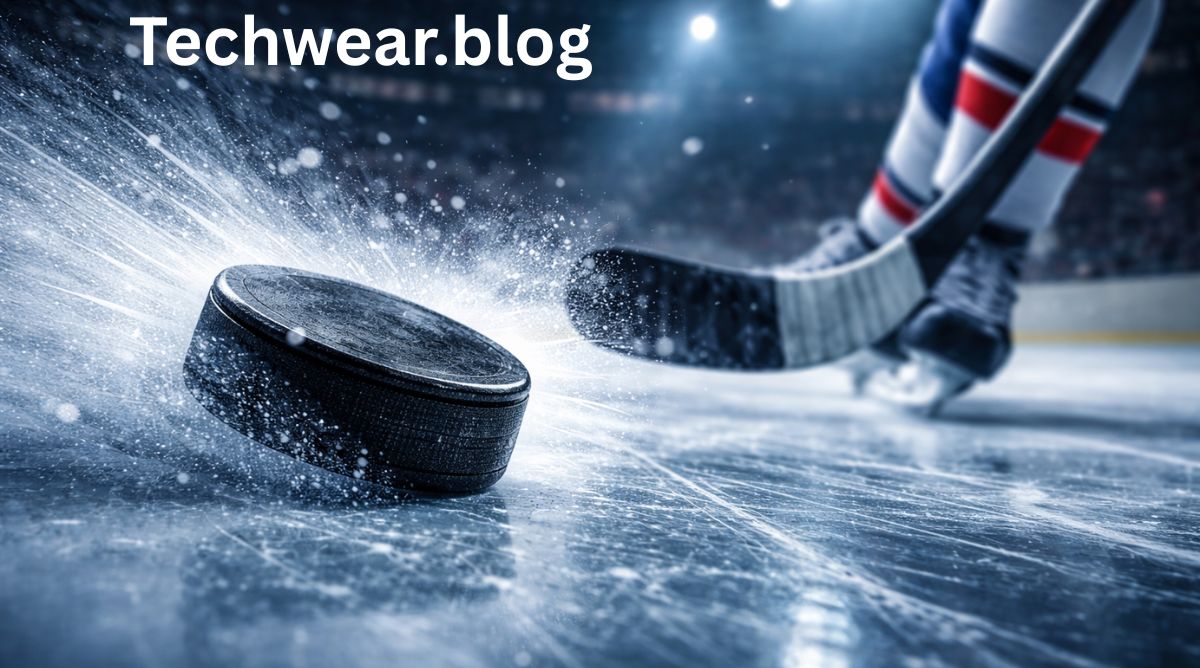
Ice hockey is one of the fastest and most exciting sports in the world. The speed of the players, the intensity of the game, and the rapid movement of the puck make hockey thrilling for both athletes and fans. One of the most fascinating aspects of the sport is the incredible speed at which a hockey puck can travel. Many people are surprised to learn that a small rubber puck can reach extremely high speeds when struck by a skilled player. Understanding how fast a hockey puck travels requires looking at player skill, stick technology, shot techniques, ice conditions, and other physical factors that influence puck movement.
A hockey puck may look simple, but when it is hit with force by a professional player, it can travel faster than many vehicles in city traffic. Because of these high speeds, protective gear for players and goaltenders is essential. The speed of a puck is one of the reasons hockey is considered both exciting and physically demanding.
Average Speed of a Hockey Puck
The average speed of a hockey puck during normal gameplay usually ranges between 70 and 100 miles per hour, which is approximately 110 to 160 kilometers per hour. This speed can vary depending on the type of shot taken and the skill level of the player.
During passing or controlled plays, the puck usually moves at lower speeds so that teammates can receive it accurately. These passes may travel between 30 and 60 miles per hour. However, when players take powerful shots toward the goal, the puck can reach much higher speeds.
Professional players are trained to deliver fast and accurate shots, especially when attempting to score. In competitive leagues, players often develop specialized shooting techniques that allow them to generate tremendous force with their sticks. This force transfers energy into the puck, sending it across the ice at incredible speeds.
Maximum Speed of a Hockey Puck
While the average puck speed is already impressive, the maximum speed recorded in professional hockey is even more remarkable. In professional competitions and skill events, some players have recorded slap shots exceeding 100 miles per hour.
In certain cases, the fastest recorded slap shots have reached speeds of more than 108 miles per hour. These shots are typically measured during special competitions where players attempt to demonstrate their shooting power.
Such speeds are possible because players combine strong physical strength, precise timing, and advanced stick technology. When all these elements work together, the puck can accelerate extremely quickly after contact with the stick blade.
Types of Hockey Shots and Their Speeds
Different types of hockey shots produce different puck speeds. Each shot technique is designed for a specific situation during the game.
Slap Shot
The slap shot is known as the most powerful shot in hockey. In this technique, the player raises the stick and strikes the ice slightly behind the puck before hitting the puck itself. This motion loads the stick with energy and releases it through the puck.
Slap shots can easily exceed 90 miles per hour, and professional players often reach speeds of over 100 miles per hour. Because of its power, the slap shot is commonly used during power plays or long-distance scoring attempts.
Wrist Shot
The wrist shot is one of the most common shots used in hockey games. Instead of swinging the stick dramatically like a slap shot, the player quickly flicks the puck using wrist movement.
Although wrist shots are slightly slower than slap shots, they are often more accurate and quicker to execute. Typical wrist shots travel between 60 and 85 miles per hour.
Snap Shot
The snap shot is a combination of the slap shot and wrist shot. It allows players to generate strong speed while maintaining quick release time. This shot is commonly used when a player wants to surprise the goalie with a fast attempt.
Snap shots generally travel between 70 and 90 miles per hour, depending on the player’s skill and strength.
Backhand Shot
The backhand shot is performed using the back side of the stick blade. This shot is typically slower because it is more difficult to generate power from this position.
Backhand shots usually travel between 40 and 70 miles per hour. Even though they are slower, they can still be effective when used at close range or during unexpected plays.
Factors That Affect Hockey Puck Speed
Several factors influence how fast a hockey puck can travel across the ice. These factors include player strength, technique, equipment quality, and environmental conditions.
Player Strength and Skill
One of the most important factors affecting puck speed is the player’s physical strength and skill level. Strong players with well-developed shooting techniques can generate more force when striking the puck.
Professional hockey players train extensively to improve their shooting mechanics. This training allows them to transfer maximum energy from their body through the stick and into the puck.
Stick Technology
Modern hockey sticks are designed using advanced materials such as carbon fiber and composite materials. These materials make sticks lighter, stronger, and more flexible.
The flexibility of the stick plays a major role in puck speed. When a player shoots, the stick bends and stores energy before releasing it into the puck. This effect is sometimes compared to the way a bow releases an arrow.
Ice Surface Quality
The condition of the ice also affects puck speed. Smooth and well-maintained ice surfaces allow the puck to glide faster with less friction.
Rough or damaged ice can slow the puck down and make its movement less predictable. Professional arenas carefully maintain ice quality to ensure consistent playing conditions.
Puck Temperature
Interestingly, the temperature of the puck can also influence its speed and behavior. Hockey pucks are typically frozen before games to make them harder and reduce bouncing.
A frozen puck slides more smoothly across the ice and is easier to control. If the puck becomes warmer, it may bounce more and move less predictably.
Why Hockey Pucks Can Move So Fast
The incredible speed of a hockey puck comes from a combination of physics and player technique. When a player strikes the puck with a stick, kinetic energy is transferred from the stick to the puck.
The stick itself acts like a spring. As it bends during the shooting motion, it stores energy. When the stick straightens again, that stored energy is released into the puck, accelerating it forward.
Because the puck is relatively small and lightweight compared to the force applied by the player, it can accelerate very quickly. The smooth ice surface further reduces friction, allowing the puck to maintain high speed as it travels.
Safety and the Speed of the Puck
Due to the high speeds involved in hockey, safety equipment is extremely important. A puck traveling at more than 100 miles per hour can cause serious injuries if it strikes a player or spectator.
Players wear helmets, gloves, shin guards, shoulder pads, and other protective gear to reduce injury risk. Goalies wear even more protective equipment because they regularly block high-speed shots.
In professional arenas, protective glass and netting are installed around the rink to prevent pucks from reaching spectators. These safety measures help ensure that the game remains enjoyable and safe for everyone involved.
Comparing Hockey Puck Speed to Other Sports
The speed of a hockey puck is impressive when compared with equipment used in other sports. For example, a baseball pitch typically reaches speeds between 85 and 100 miles per hour. A tennis serve from a professional player may exceed 130 miles per hour, but it quickly slows down due to air resistance.
A hockey puck travels across ice with very little friction, allowing it to maintain high speed for longer distances. This combination of speed and low friction makes the puck one of the fastest-moving objects in professional sports.
Record Breaking Hockey Shots
Professional hockey competitions sometimes include special events designed to measure shot speed. During these events, players attempt to produce the fastest possible shot.
Some of the most powerful slap shots in hockey history have exceeded 105 miles per hour. These record-breaking attempts highlight the incredible strength and skill possessed by professional players.
Players who specialize in powerful shots often train specifically to improve their shooting mechanics. This training includes strength exercises, stick handling drills, and precision shooting practice.
The Role of Goalies Against Fast Shots
Goalies face one of the toughest challenges in hockey because they must react to extremely fast shots. When a puck is traveling at 100 miles per hour, it can reach the goal in less than half a second.
To stop these shots, goalies rely on quick reflexes, strong positioning, and advanced anticipation skills. They carefully watch player movements and try to predict where the puck will go before the shot is taken.
Goalies also use specialized equipment such as large gloves, protective pads, and reinforced helmets to protect themselves from high-speed impacts.
Training to Increase Shot Speed
Hockey players who want to increase their puck speed often focus on several areas of training. Strength training is important because stronger muscles can generate more force during the shooting motion.
Players also practice shooting techniques repeatedly to improve accuracy and efficiency. Proper timing and stick control allow players to transfer energy more effectively into the puck.
Flexibility and balance training can also improve shooting performance. A stable stance and strong core muscles help players generate powerful shots while maintaining control.
Future Technology and Puck Speed
Advancements in equipment technology continue to influence hockey puck speed. Manufacturers constantly develop new stick materials that improve flexibility, durability, and power transfer.
Improved stick designs may allow players to generate even faster shots in the future. However, hockey organizations carefully monitor equipment changes to ensure that the game remains fair and safe.
Arena technology is also improving, with better ice maintenance systems helping maintain ideal playing surfaces. These improvements allow the puck to move smoothly and consistently during games.
Conclusion
The speed of a hockey puck is one of the most exciting aspects of ice hockey. During normal gameplay, puck speeds typically range between 70 and 100 miles per hour, while powerful slap shots from professional players can exceed 100 miles per hour.
Several factors influence how fast a hockey puck travels, including player strength, shooting technique, stick technology, ice conditions, and puck temperature. Different shot types such as slap shots, wrist shots, snap shots, and backhand shots all produce varying speeds depending on the situation.
Because the puck moves so quickly, hockey players rely on advanced skills, protective equipment, and strategic gameplay to compete safely and effectively. Goalies must react within fractions of a second to block high-speed shots, making their role especially challenging.
As technology and training methods continue to improve, hockey players may continue pushing the limits of puck speed. Despite these advancements, the combination of speed, skill, and strategy will always remain at the heart of what makes hockey one of the most thrilling sports in the world.