








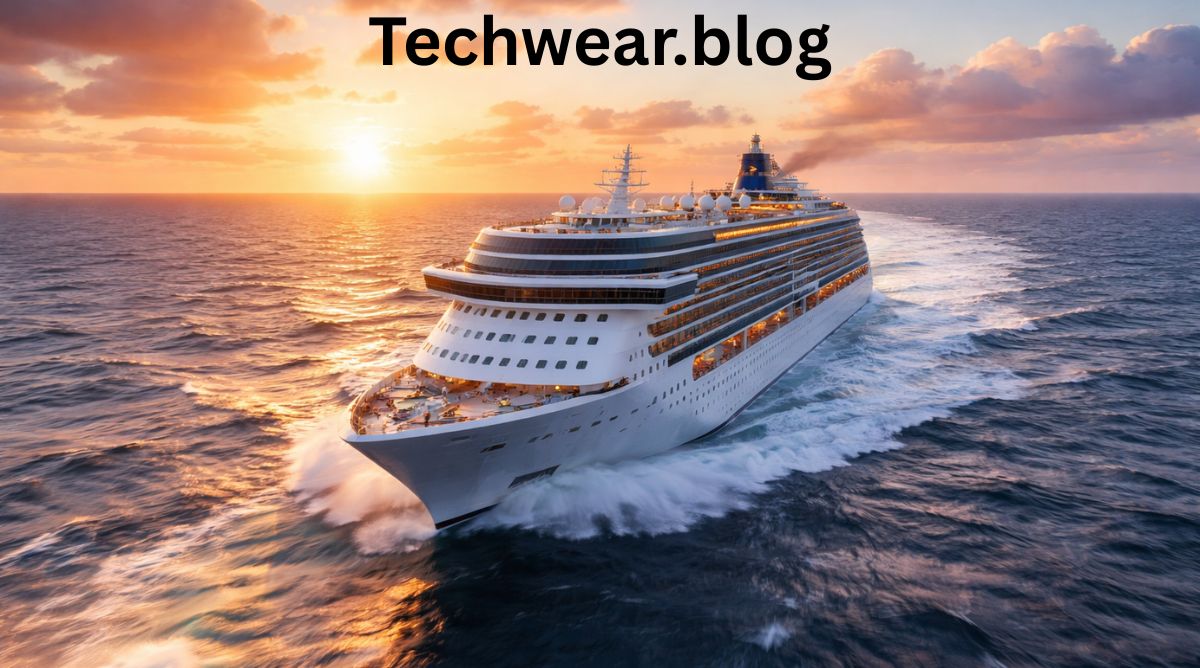
Cruise ships are among the largest and most impressive vessels traveling across the world’s oceans. These massive floating resorts carry thousands of passengers while offering entertainment, dining, and relaxation during long sea journeys. One question many travelers and maritime enthusiasts ask is how fast a cruise ship can travel. While cruise ships are not designed to be the fastest vessels on the water, they are built to maintain steady and efficient speeds while ensuring passenger comfort and safety.
The speed of a cruise ship depends on several factors including ship size, engine power, route, ocean conditions, and fuel efficiency. Cruise lines focus more on smooth travel, fuel economy, and a comfortable passenger experience rather than extreme speed. However, modern cruise ships are still capable of traveling at impressive speeds considering their enormous size and weight.
Understanding cruise ship speed also helps explain how cruise itineraries are planned and how ships manage to visit multiple destinations within a limited amount of time.
Average Speed of a Cruise Ship
Most cruise ships travel at an average speed between 18 and 22 knots. A knot is a unit used in maritime navigation and is equal to one nautical mile per hour. When converted to miles per hour, this means cruise ships typically travel between 20 and 25 miles per hour.
Although this speed might seem slow compared to airplanes or high-speed trains, it is quite fast for a vessel that may weigh over 100,000 tons and carry thousands of passengers. Maintaining this speed allows cruise ships to travel long distances overnight while passengers sleep or enjoy onboard activities.
The average speed is carefully chosen to balance fuel efficiency and schedule reliability. Traveling faster would require significantly more fuel, increasing operational costs and environmental impact.
Maximum Speed of Cruise Ships
While cruise ships usually operate at moderate speeds, they are capable of reaching higher speeds when necessary. Many modern cruise ships have maximum speeds ranging from 24 to 30 knots. This is roughly equivalent to 27 to 35 miles per hour.
Maximum speed is rarely used during normal operations because it consumes more fuel and may reduce passenger comfort. Cruise ships typically reserve higher speeds for situations where they need to adjust schedules, avoid storms, or arrive at ports on time.
Even at their highest speeds, cruise ships prioritize stability and safety. Their advanced navigation systems and powerful engines allow them to travel efficiently across long distances.
Why Cruise Ships Do Not Travel Faster
Many people wonder why cruise ships do not travel as fast as other types of ships. The main reason is that cruise ships are designed primarily for comfort and leisure rather than speed.
Passenger comfort is a major priority. Traveling at extremely high speeds across the ocean could create stronger vibrations and motion, which might make passengers uncomfortable. Maintaining moderate speeds helps ensure a smooth and relaxing journey.
Fuel consumption is another important factor. Large cruise ships require enormous amounts of fuel, and higher speeds dramatically increase fuel usage. By traveling at efficient speeds, cruise lines can reduce costs and environmental impact.
Itinerary planning also reduces the need for high speeds. Cruise routes are carefully scheduled so ships can travel comfortably between destinations without rushing.
Engine Systems That Power Cruise Ships
Cruise ships rely on powerful engine systems to maintain their steady speeds across long distances. Most modern cruise ships use diesel-electric propulsion systems. In this system, large diesel engines generate electricity that powers electric motors connected to the ship’s propellers.
This design provides several advantages including improved efficiency, reduced vibration, and greater control over speed. Diesel-electric propulsion also allows ships to distribute power to other onboard systems such as lighting, air conditioning, and entertainment facilities.
Some cruise ships use azimuth thrusters instead of traditional propellers. These rotating propulsion units can turn in multiple directions, improving maneuverability and helping ships dock more easily in ports.
The powerful engines used in cruise ships allow them to maintain steady speeds even when facing ocean currents or rough weather conditions.
Factors That Affect Cruise Ship Speed
Several factors influence how fast a cruise ship can travel at any given time. These factors include weather conditions, ocean currents, ship size, and operational requirements.
Weather is one of the most important influences on ship speed. Strong winds, rough seas, and storms can slow a ship down for safety reasons. Captains often adjust speed to maintain stability and protect passengers.
Ocean currents can also impact travel speed. Favorable currents may help a ship move faster, while opposing currents may slow it down.
Ship size plays a role as well. Larger ships often require more power to reach higher speeds because of their greater weight and water resistance.
Operational considerations such as arrival schedules, fuel efficiency goals, and environmental regulations also affect cruise ship speed.
Cruise Ship Speed Compared to Other Ships
When compared to other types of ships, cruise ships fall somewhere in the middle in terms of speed. Cargo ships usually travel at speeds between 12 and 20 knots because their main goal is fuel efficiency rather than speed.
Military ships and naval vessels can travel much faster. Some naval ships can exceed 35 knots because they are designed for rapid response and tactical operations.
High-speed ferries and specialized passenger vessels can travel even faster, sometimes reaching speeds above 40 knots. However, these vessels are usually much smaller than cruise ships and operate on shorter routes.
Despite not being the fastest ships on the water, cruise ships offer a unique balance of speed, comfort, and luxury.
Distance a Cruise Ship Can Travel in One Day
At an average speed of around 20 knots, a cruise ship can travel approximately 480 nautical miles in 24 hours. This is roughly equal to about 550 regular miles.
This distance allows cruise ships to travel between major destinations overnight. For example, a ship can leave one port in the evening and arrive at the next destination the following morning.
Cruise itineraries are carefully planned to take advantage of this travel pattern. Passengers can enjoy onboard entertainment during the evening while the ship travels through the night.
By the time passengers wake up, the ship may already be approaching a new destination.
Fuel Consumption and Speed
Fuel consumption increases significantly as ship speed increases. For cruise ships, fuel efficiency is a major operational consideration.
Traveling at slightly lower speeds can save large amounts of fuel over long distances. Because cruise ships operate year round and travel thousands of miles, even small improvements in efficiency can reduce costs and environmental impact.
Many cruise lines now use advanced technologies such as optimized hull designs, improved propulsion systems, and route planning software to reduce fuel consumption while maintaining reliable travel times.
These innovations help cruise ships operate more sustainably while still providing enjoyable experiences for passengers.
Navigation and Speed Control
Cruise ships rely on advanced navigation systems to manage speed and maintain safe travel routes. These systems include radar, satellite navigation, weather forecasting tools, and electronic chart systems.
Captains and navigation officers constantly monitor these systems to adjust speed based on changing conditions. If rough weather is detected ahead, the ship may slow down or alter its route to ensure passenger safety.
Modern cruise ships also use automated engine control systems that allow precise adjustments to propulsion power. This helps maintain steady speeds and smooth sailing throughout the journey.
The Experience of Speed on a Cruise Ship
Interestingly, passengers on a cruise ship often do not feel the ship’s speed. Because of the ship’s massive size and stabilizing technology, movement across the water can feel surprisingly gentle.
Stabilizers installed beneath the ship reduce rolling motion caused by waves. This technology helps maintain a comfortable environment even when the ship is traveling at its normal cruising speed.
Passengers usually notice the ship’s speed only when looking at the ocean passing by or watching navigation displays that show the vessel’s progress.
This smooth travel experience is one of the reasons cruise vacations are so popular.
Future Innovations in Cruise Ship Speed
The cruise industry continues to explore new technologies that may influence ship speed and efficiency in the future. Engineers are developing more advanced propulsion systems, alternative fuels, and improved hull designs.
Some cruise ships are already using liquefied natural gas as fuel, which reduces emissions and improves environmental performance. Future ships may incorporate hybrid power systems or renewable energy technologies.
These innovations may allow cruise ships to travel more efficiently while maintaining similar speeds. The focus will likely remain on balancing travel time, passenger comfort, and environmental responsibility.
Conclusion
Cruise ships are impressive vessels capable of traveling long distances across the world’s oceans while providing comfort and entertainment to thousands of passengers. On average, most cruise ships travel between 18 and 22 knots, which is approximately 20 to 25 miles per hour.
Although they can reach maximum speeds of around 24 to 30 knots, cruise ships usually operate at moderate speeds to ensure fuel efficiency, safety, and passenger comfort. Several factors such as weather conditions, ocean currents, ship size, and itinerary schedules influence their travel speed.
At their typical cruising speed, a cruise ship can travel roughly 480 nautical miles in a single day. This allows ships to move between destinations overnight while passengers enjoy onboard activities.
The design of cruise ships prioritizes smooth travel rather than extreme speed, making them ideal for long ocean journeys. As technology continues to advance, cruise ships will likely become even more efficient while maintaining the steady speeds that make cruising such a relaxing and enjoyable way to travel.