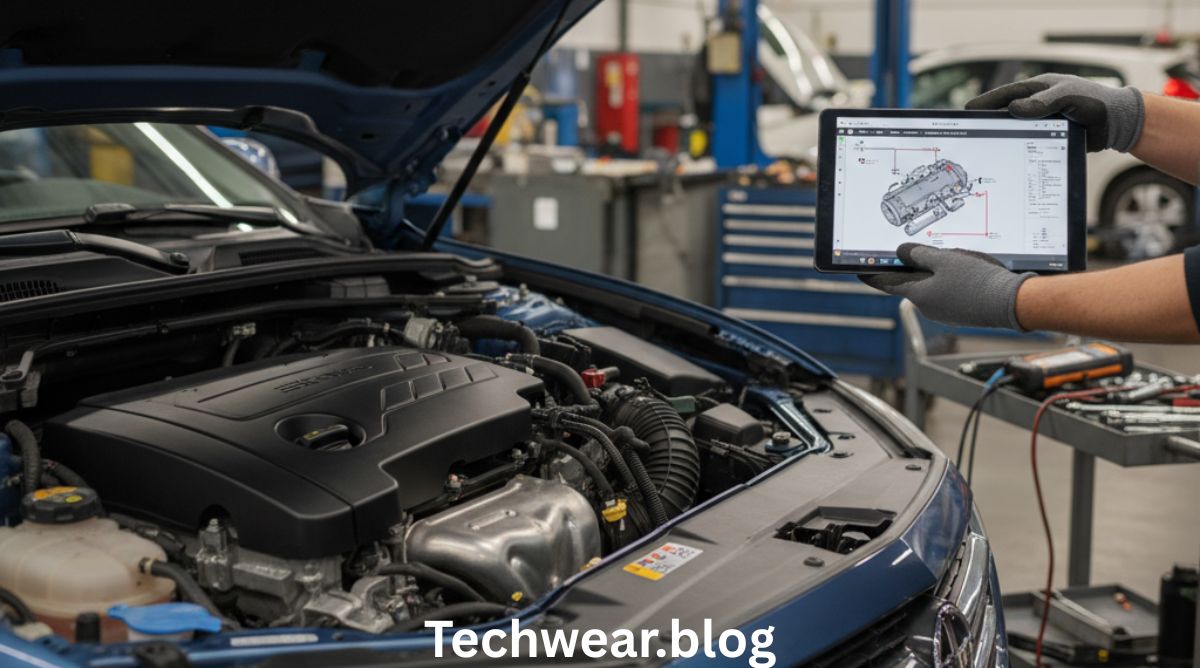










Few things are as frustrating as getting into your car on a hot day, turning on the air conditioning, and realizing it’s blowing warm air. This usually means your car AC system is low on refrigerant — the cooling agent responsible for absorbing heat and keeping your cabin comfortable. Fortunately, recharging your car’s air conditioning system is a manageable task if you understand the right process, tools, and safety precautions.
In this detailed, well-researched 1200+ word guide, we’ll walk through how to recharge your car AC, the signs that it’s low on refrigerant, what tools you need, and when it’s better to call a professional.
Understanding How a Car AC System Works
Before learning how to recharge your car AC, it helps to understand the basic operation of an automotive air conditioning system.
Your car’s AC uses a refrigerant, typically R-134a or R-1234yf, to absorb and remove heat from the cabin. The process involves several components working together:
- Compressor: Compresses the refrigerant gas and sends it through the system.
- Condenser: Dissipates heat and converts the gas into a high-pressure liquid.
- Expansion valve / Orifice tube: Reduces pressure to cool the refrigerant.
- Evaporator coil: Absorbs heat from the cabin air, cooling it before it’s blown inside.
When the system loses refrigerant, it can no longer remove heat effectively — leading to warm air from the vents.
Why Your Car AC May Need a Recharge
The most common reason you’d need to recharge your car AC is because of a refrigerant leak. Refrigerant is not something that “runs out” naturally; it’s a closed-loop system. However, seals, hoses, or connectors can develop small leaks over time.
Other causes include:
- Aging components: Rubber seals and O-rings can deteriorate.
- Corrosion: Moisture can damage metal components like the condenser.
- Loose fittings: Vibration and engine heat can loosen connections.
Once refrigerant levels drop, the cooling performance of the AC system declines — and eventually stops altogether.
Signs That Your Car AC Needs a Recharge
Recognizing the early signs of low refrigerant can help you act before the system completely fails.
Here are the most common indicators:
- Warm Air from Vents: The most obvious symptom — your AC no longer cools effectively.
- Compressor Not Engaging: You may hear a clicking sound when turning on the AC. If the system is low on refrigerant, the compressor clutch may fail to engage.
- Visible Leaks: Look for oily or greasy residue around AC hoses or fittings — this may indicate a refrigerant leak.
- Hissing or Bubbling Sounds: Air or refrigerant escaping under pressure often creates this noise.
- Intermittent Cooling: Sometimes the system works, then stops — a sign of fluctuating refrigerant pressure.
If you notice one or more of these symptoms, it’s time to test and recharge your AC system.
Tools and Materials Needed to Recharge a Car AC
To properly recharge your car AC, you’ll need a few essential tools and supplies:
- Refrigerant (R-134a or R-1234yf) — Check your vehicle’s specifications (usually printed on a sticker under the hood).
- Recharge hose and pressure gauge — Allows you to monitor system pressure while refilling.
- Protective gloves and goggles — Refrigerant can cause frostbite if it touches skin.
- Thermometer — To measure air temperature at the vents.
- Leak detector or UV dye (optional) — Helps identify refrigerant leaks.
Many auto parts stores sell AC recharge kits that include refrigerant, a gauge, and a hose — ideal for DIY users.
Step-by-Step Guide: How to Recharge Your Car AC
Here’s a safe and detailed walkthrough on how to recharge your car AC correctly.
Step 1: Check the Type of Refrigerant
Under the hood, look for the AC specification label — usually found near the radiator or on the underside of the hood. It will tell you:
- The type of refrigerant (R-134a or R-1234yf)
- The correct amount your system holds
Using the wrong refrigerant can damage the system or void warranties.
Step 2: Inspect for Leaks
Before refilling, check for visible signs of leaks. Even a small leak can cause your newly added refrigerant to escape again.
Look around:
- AC compressor
- Hose connections
- Condenser (in front of the radiator)
If you suspect a leak, use a UV dye kit or electronic leak detector. Recharging without fixing a leak is only a temporary solution.
Step 3: Locate the Low-Pressure Port
Your car’s AC system has two service ports — a high-pressure port and a low-pressure port.
You’ll connect your recharge hose to the low-pressure port only.
It’s typically located on the larger diameter aluminum tubing between the compressor and the evaporator. The port cap is usually marked with an “L.”
Never connect to the high-pressure port, as it can be dangerous and damage the canister or system.
Step 4: Prepare the Recharge Kit
Shake the refrigerant can well before use. Attach the hose and pressure gauge firmly. If your kit includes a trigger handle, make sure it’s in the “off” position before connecting.
Step 5: Start the Engine and Turn On the AC
- Start your vehicle.
- Set the AC to maximum cooling and highest fan speed.
- Open all vents inside the car.
This ensures the system is drawing refrigerant efficiently.
Step 6: Connect the Hose to the Low-Pressure Port
Attach the hose’s quick-connect fitting to the low-pressure port. It should click into place securely.
Check the pressure gauge:
- Normal range: 25–45 psi (depending on temperature and vehicle).
- If it’s below 25 psi, the system is likely low on refrigerant.
Step 7: Add Refrigerant Gradually
While holding the can upright, squeeze the trigger to release refrigerant into the system. Add it in short bursts, watching the pressure gauge.
Do not overfill — this can cause excessive system pressure and damage components.
Keep shaking the can occasionally to maintain consistent flow.
Step 8: Monitor Temperature and Pressure
After a few minutes, check the air coming from the vents using a thermometer. Ideally, it should read 40–50°F (4–10°C) on a warm day.
If the air is cold and the pressure gauge reads within normal range, stop adding refrigerant.
Step 9: Disconnect and Check for Leaks Again
Once complete:
- Turn off the engine.
- Disconnect the hose carefully.
- Replace the low-pressure port cap.
Use a leak detector or UV light to make sure there are no new leaks.
Important Safety Tips When Recharging Your Car AC
Working with refrigerant involves certain hazards, so follow these safety precautions:
- Always wear gloves and goggles. Refrigerant can cause severe frostbite.
- Never overfill the system. Too much refrigerant increases pressure and may damage the compressor.
- Avoid inhaling fumes. Work in a well-ventilated area.
- Check for leaks before and after. Don’t waste refrigerant or harm the environment.
- Don’t mix refrigerant types. Mixing R-134a and R-1234yf can ruin your system.
When to Call a Professional
Recharging your AC is simple — but it’s not a fix for all problems. If your system loses refrigerant quickly after refilling, you likely have a serious leak.
You should visit a certified AC technician if:
- Your system loses refrigerant within a few days.
- The compressor doesn’t engage even after refilling.
- There’s a noticeable smell or visible oil around AC components.
- You own a newer car using R-1234yf (which requires special equipment).
Professional shops have vacuum machines to remove old refrigerant, check for leaks, and refill precisely to factory specifications.
How Much Does It Cost to Recharge a Car AC?
If you prefer not to DIY, here’s a general price breakdown for professional AC recharges:
| Service Type | Average Cost (USD) |
|---|---|
| DIY recharge kit | $40 – $80 |
| Professional recharge (R-134a) | $150 – $300 |
| Professional recharge (R-1234yf) | $250 – $500 |
The exact cost depends on your car model, refrigerant type, and labor rates in your area.
How Long Does a Car AC Recharge Last?
A properly sealed AC system can retain refrigerant for years. If you find yourself needing to recharge your car AC frequently, there’s likely an underlying leak or failing component that needs repair.
Generally, after a full recharge and leak repair, your AC should work effectively for 3–5 years or longer.
Common Mistakes to Avoid When Recharging
- Skipping leak detection: Recharging without fixing leaks wastes refrigerant.
- Overfilling: This can cause poor cooling and compressor failure.
- Using the wrong refrigerant: Always verify what your vehicle requires.
- Not purging air: Air in the system can lead to incorrect pressure readings.
- Recharging with the engine off: The compressor needs to be running for proper circulation.
Environmental Note
Refrigerants are potent greenhouse gases that can harm the environment if released. Always handle them responsibly. If you suspect a large leak, have it repaired by a certified professional who can capture and recycle refrigerant properly.
For more about environmental impacts, see automobile air conditioning on Wikipedia.
Final Thoughts: Keep Your AC System Healthy
Learning how to recharge your car AC is an excellent way to save money and ensure a cool, comfortable ride during hot weather. However, remember that recharging should be part of an overall maintenance plan — not a substitute for repairing leaks or worn-out components.
In summary:
- Identify the correct refrigerant type.
- Inspect for leaks before recharging.
- Fill slowly and monitor pressure carefully.
- Stop once air blows cold and pressure stabilizes.
By following these steps and maintaining your AC system regularly, you can extend its lifespan, improve performance, and enjoy cool air whenever you drive — without needing to visit a mechanic every summer.
So, the next time your air conditioner starts blowing warm air, you’ll know exactly how to recharge your car AC safely, effectively, and confidently.