








If your car’s check engine light has come on and your scanner shows the P0011 trouble code, you’re not alone. This code is one of the most common OBD-II diagnostic codes related to the Variable Valve Timing (VVT) system, and while it sounds complicated, it can often be fixed with the right approach.
Understanding what engine code P0011 means, its symptoms, causes, and how to fix it properly can save you from expensive repairs and long-term engine damage. This detailed guide covers everything you need to know — from diagnosis to step-by-step fixes — in simple terms for both DIYers and car owners.
What does engine code P0011 mean?
The P0011 diagnostic trouble code (DTC) stands for:
“A” Camshaft Position – Timing Over-Advanced or System Performance (Bank 1)
In simple words, the engine control module (ECM) detects that the intake camshaft in Bank 1 (the side of the engine with Cylinder 1) is not in the correct position relative to the crankshaft. Specifically, it’s “over-advanced,” meaning the camshaft is moving ahead of where the ECM expects it to be.
Modern engines use Variable Valve Timing (VVT) or Variable Camshaft Timing (VCT) systems to adjust cam timing dynamically for better performance and efficiency. The P0011 code appears when the ECM notices that the camshaft timing actuator is not functioning correctly, leading to incorrect valve timing.
Understanding the Variable Valve Timing (VVT) system
To understand the cause, it helps to know how the VVT system works.
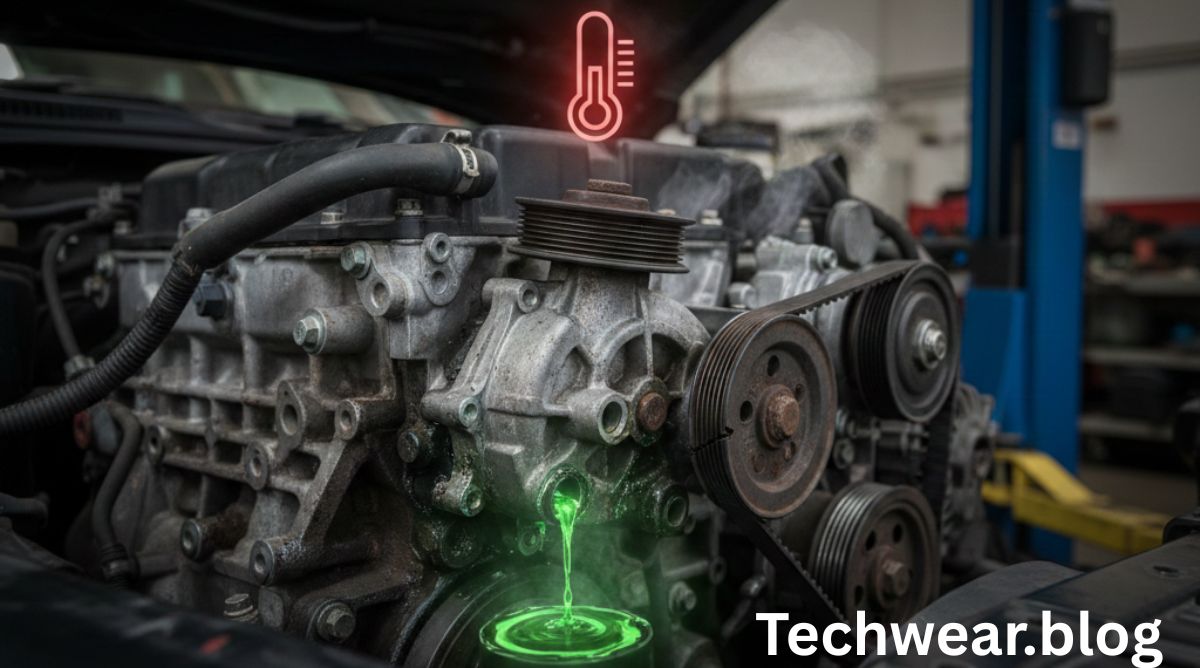
The VVT system controls when the intake and exhaust valves open and close by adjusting the camshaft’s position using oil pressure and solenoids. When the ECM commands the camshaft to advance or retard timing, an oil control valve (OCV) or VVT solenoid adjusts oil flow to the camshaft phaser, which changes the camshaft’s position.
If the ECM detects that the camshaft is more advanced than intended — meaning the timing is ahead — it triggers engine code P0011.
Symptoms of engine code P0011
When P0011 appears, you might notice a range of performance issues. Some symptoms may be subtle, while others can significantly affect drivability.
Common symptoms include:
- Check Engine Light (CEL): The most obvious symptom — the light appears on your dashboard.
- Rough idling: The engine may feel shaky or unstable at idle.
- Poor acceleration: You may experience sluggish performance or hesitation when accelerating.
- Reduced fuel efficiency: Incorrect timing reduces engine efficiency and fuel economy.
- Hard starting: The engine may crank longer before starting.
- Engine stalling: In severe cases, the engine may stall or cut out suddenly.
- Rattling or ticking noise: Worn timing components can cause audible noises from the valve area.
Ignoring these symptoms can lead to further issues, such as internal engine wear or catalytic converter damage.
Causes of engine code P0011
Several factors can cause the P0011 trouble code. Some are minor (like dirty oil), while others require part replacement.
Common causes include:
- Low or dirty engine oil
- Dirty oil can clog the VVT solenoid or reduce hydraulic pressure, preventing proper timing adjustment.
- Faulty VVT solenoid (oil control valve)
- A malfunctioning solenoid can fail to regulate oil flow, causing incorrect camshaft timing.
- Stuck or damaged camshaft phaser
- If the phaser gets stuck in an advanced position, it can trigger the P0011 code.
- Incorrect engine oil type
- Using oil with the wrong viscosity (too thick or too thin) can affect VVT performance.
- Electrical issues
- Faulty wiring or connectors to the VVT solenoid or camshaft position sensor can cause miscommunication.
- Faulty camshaft position sensor or crankshaft position sensor
- These sensors provide timing data; incorrect readings can lead to false codes.
- Timing chain or belt issues
- A stretched or misaligned timing chain can cause the camshaft to advance or retard incorrectly.
How to diagnose engine code P0011
Before replacing any parts, you should properly diagnose the issue to find the true cause.
Here’s a systematic approach:
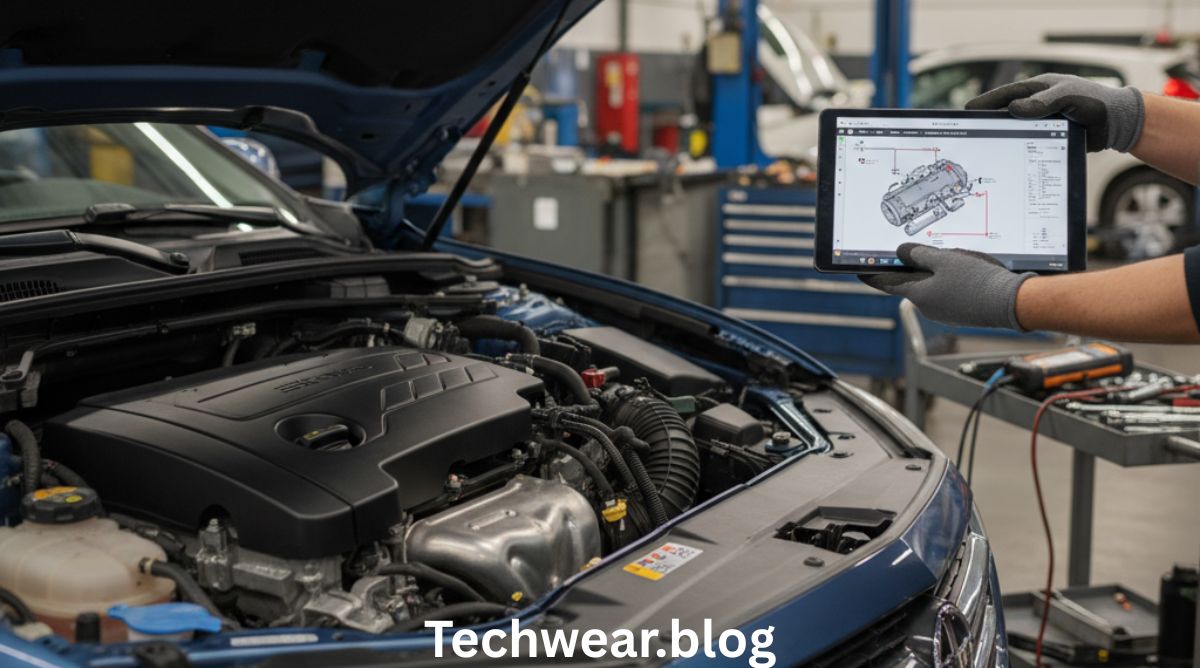
1. Scan the vehicle with an OBD-II scanner
Connect a diagnostic scanner to your car’s OBD-II port and confirm the P0011 code. Check for additional related codes like P0010, P0012, or P0014 — they can provide extra clues about the affected components.
2. Check the engine oil level and condition
Use the dipstick to inspect oil level and color. If the oil looks dark, dirty, or sludgy, it may be the root cause.
- If oil is low, top it up with the correct viscosity as per the manufacturer’s recommendation.
- If oil is dirty, perform an oil change immediately.
3. Inspect the VVT solenoid (oil control valve)
Locate the VVT solenoid (usually near the camshaft area). Disconnect it and inspect the connector for corrosion or damage.
Remove the solenoid and check for sludge or debris blocking the oil ports. If dirty, clean it with brake cleaner or engine degreaser and reinstall. If damaged, replace it.
4. Check electrical connections and wiring
Look for broken wires, corroded terminals, or loose connectors around the camshaft sensor, crankshaft sensor, and solenoid. Use a multimeter to test voltage and continuity.
5. Inspect the camshaft phaser and timing components
If cleaning the solenoid doesn’t help, inspect the camshaft phaser and timing chain/belt. A stretched chain or faulty tensioner can throw off timing and trigger P0011.
These parts are more complex and may require a mechanic to access and inspect.
6. Test sensors
Use a scan tool or oscilloscope to test the camshaft and crankshaft sensors. If they’re sending incorrect signals, the ECM may misinterpret cam timing, causing the code.
Step-by-step: How to fix engine code P0011
Once you identify the cause, here’s how to fix it.
1. Change the engine oil and filter
Dirty or old oil is the most common cause of P0011. Drain the old oil, replace the oil filter, and refill with the manufacturer-recommended oil grade (e.g., 5W-30 or 0W-20).
Run the engine for a few minutes, then recheck the code using a scanner. Often, this alone clears the issue.
2. Clean or replace the VVT solenoid
If the problem persists, remove the VVT solenoid and clean it thoroughly. If it’s electrically faulty or clogged beyond repair, replace it with a new one.
After installing, clear the code and test drive the vehicle.
3. Repair wiring or connectors
If diagnostics reveal voltage drops or poor connections, repair or replace the affected wiring. Ensure connectors are clean, tight, and corrosion-free.
4. Replace camshaft or crankshaft sensors
If sensor readings are inconsistent, replace the faulty sensor(s). These are relatively inexpensive and often solve timing-related issues.
5. Check and repair timing chain or cam phaser
If you’ve ruled out oil and electrical problems, the issue may lie in the timing chain, belt, or camshaft phaser.
A stretched chain, worn sprocket, or stuck phaser can cause advanced timing. These repairs are complex and best handled by a certified technician.
6. Reset the code and test drive
After repairs, use your OBD-II scanner to clear the P0011 code. Then, take the car for a 15–20 minute test drive.
Monitor if the code returns and observe engine performance. If the check engine light stays off and the car runs smoothly, the problem is fixed.
How much does it cost to fix engine code P0011?
The cost depends on the cause of the problem. Here’s a general estimate:
| Repair | Estimated Cost (USD) |
|---|---|
| Oil and filter change | $40 – $120 |
| VVT solenoid replacement | $100 – $350 |
| Camshaft position sensor | $50 – $200 |
| Timing chain or phaser repair | $500 – $1,500 |
| Electrical wiring repair | $50 – $150 |
If you’re doing it yourself, the cost will mostly be for parts and basic tools.
Can you drive with code P0011?
Technically, you can drive short distances with P0011, but it’s not recommended. Over time, driving with incorrect valve timing can cause:
- Engine misfires
- Poor fuel economy
- Increased emissions
- Damage to catalytic converter
- Internal engine wear
If the car shows severe performance issues or makes unusual noises, stop driving and address the issue immediately.
Preventing code P0011 in the future
Prevention is better than repair. Here’s how to avoid this problem going forward:
- Regular oil changes: Use high-quality oil and replace it at proper intervals.
- Use correct oil viscosity: Always follow the manufacturer’s recommendations.
- Clean or replace filters: Dirty oil filters can restrict flow to the VVT system.
- Inspect VVT solenoids: Clean them during oil changes if accessible.
- Address leaks quickly: Low oil pressure affects VVT operation.
- Keep sensors clean: Dirt and oil contamination cause false readings.
Common vehicles affected by P0011
While this code can appear in many cars, it’s especially common in:
- Nissan (Altima, Sentra, Murano)
- Toyota (Camry, Corolla, RAV4)
- BMW (3 Series, 5 Series)
- Chevrolet (Equinox, Malibu)
- Honda (Civic, Accord)
- Subaru (Forester, Outback)
Each manufacturer may have slightly different diagnostic steps or VVT designs, so always consult your repair manual.
Summary: Fixing engine code P0011 the right way
Dealing with engine code P0011 doesn’t always mean a costly repair. In many cases, a simple oil change or solenoid cleaning can fix it.
To summarize the process:
- Diagnose properly: Don’t replace parts blindly.
- Check oil first: Low or dirty oil is the top culprit.
- Inspect and clean the VVT solenoid.
- Check wiring and sensors.
- Address timing issues if needed.
- Reset the code and test drive.
By keeping up with regular oil changes and periodic inspections, you can prevent P0011 from recurring and keep your engine performing smoothly.
In short: Learning how to fix the engine code P0011 helps you protect your engine’s health, maintain fuel efficiency, and avoid expensive breakdowns. Whether you’re a DIY enthusiast or simply want to understand your car better, this knowledge ensures that you handle the issue confidently and keep your vehicle running at its best.