








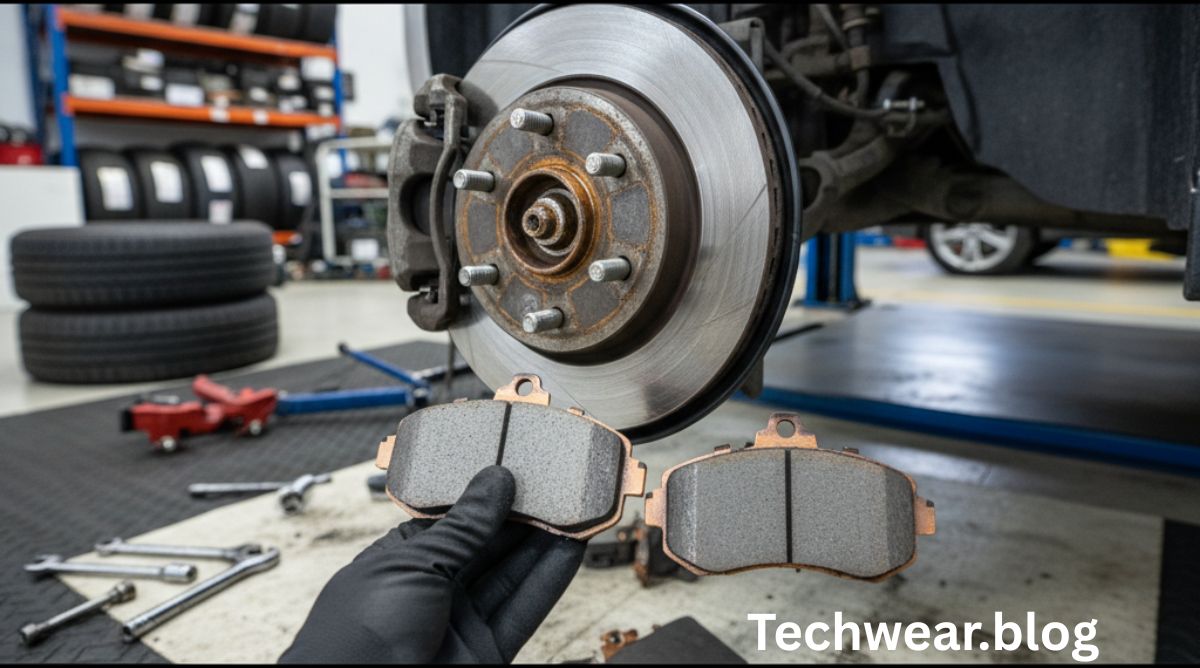
When it comes to maintaining your car’s braking system, few components are as important as the brake pads. They are the first line of defense that keeps you, your passengers, and others on the road safe. But with so many options, materials, brands, and specifications available, it can be confusing to know what brake pads to buy for your specific vehicle.
In this comprehensive guide, we’ll explore everything you need to know — from understanding the types of brake pads to learning how to match them to your car’s make, model, and driving needs. Whether you’re a DIY car enthusiast or simply want to make an informed decision at the repair shop, this 1200+ word article will help you confidently choose the right brake pads every time.
What Are Brake Pads and Why Are They Important?
Brake pads are a critical component of the disc brake system. When you press the brake pedal, hydraulic pressure forces the brake caliper to squeeze the brake pads against the brake rotor (disc). This friction slows the wheel’s rotation and brings your car to a stop.
Over time, this friction wears down the pads, making it essential to replace them periodically. Worn-out pads can cause longer stopping distances, noise, vibrations, and even damage to your rotors — leading to costly repairs.
How Often Should You Replace Brake Pads?
The lifespan of brake pads depends on several factors, including driving habits, vehicle weight, terrain, and pad material. On average:
- Ceramic pads: Last 50,000 – 70,000 miles
- Semi-metallic pads: Last 30,000 – 50,000 miles
- Organic pads: Last 20,000 – 40,000 miles
If you drive primarily in city traffic, use your brakes frequently, or tow heavy loads, your pads may wear out faster. Always check your car manual or have a mechanic inspect your brakes during routine maintenance.
Signs That You Need New Brake Pads
Before you decide what brake pads to buy, it’s crucial to know when they need replacing. Here are common warning signs:
- Squealing or screeching noises: Caused by wear indicators built into the pads.
- Grinding sounds: Metal-on-metal contact, meaning pads are completely worn out.
- Reduced braking performance: Longer stopping distances or a “soft” brake pedal feel.
- Vibration or pulsation: Uneven pad wear or rotor damage.
- Warning light: Some modern cars have electronic brake pad sensors that trigger a dashboard alert.
Understanding Different Types of Brake Pads
Not all brake pads are made the same. Each type has unique characteristics designed for specific driving conditions.
Here are the main types you’ll encounter when shopping for brake pads:
1. Organic (Non-Asbestos Organic – NAO) Brake Pads
- Made from natural materials such as rubber, glass, resin, and Kevlar.
- Quieter operation and gentle on rotors.
- Ideal for light vehicles and normal city driving.
- However, they wear faster and perform poorly under high heat.
Best for: Small cars and drivers prioritizing comfort over performance.
2. Semi-Metallic Brake Pads
- Composed of 30–70% metals (iron, copper, steel) mixed with friction materials.
- Excellent stopping power and heat resistance.
- More durable than organic pads but can produce noise and dust.
Best for: High-performance vehicles, heavy cars, and drivers who brake aggressively.
3. Ceramic Brake Pads
- Made from ceramic compounds and copper fibers.
- Very quiet, low dust, and last longer than most pads.
- Maintain consistent performance across temperature ranges.
- More expensive but ideal for modern passenger vehicles.
Best for: Daily drivers seeking long life and smooth, quiet braking.
4. Low-Metallic NAO Pads
- Similar to organic pads but with added metals (like copper or steel).
- Better heat transfer and stopping power than organic types.
- Can produce more noise and dust.
Best for: Moderate performance needs and urban driving conditions.
How to Identify the Right Brake Pads for Your Car
Choosing the correct brake pads isn’t just about material type — it’s about compatibility with your specific car model.
Here’s how to ensure a perfect fit:
1. Check Your Vehicle’s Manual
Your car’s owner’s manual is the first and most reliable resource. It lists the recommended pad material, size, and OEM specifications.
If you don’t have a manual, you can find this information online through the manufacturer’s official website.
2. Use Your Vehicle Identification Number (VIN)
The VIN is a 17-character code found on your dashboard or door frame. Many online auto parts stores allow you to enter your VIN to filter out parts that precisely match your car’s make, model, and year.
This ensures you avoid buying the wrong size or type of brake pads.
3. Identify the Type of Braking System
Some vehicles have disc brakes on all four wheels, while others use drum brakes on the rear. Brake pads are only used in disc brakes — if your rear wheels have drum brakes, you’ll need brake shoes instead.
Always confirm the brake configuration before ordering parts.
4. Match Driving Style and Conditions
Your driving habits play a huge role in selecting the right pad material:
- City drivers: Frequent stop-and-go traffic benefits from ceramic or organic pads for quiet operation.
- Highway drivers: Semi-metallic pads perform better at higher temperatures.
- Towing or off-road: Choose heavy-duty or performance-oriented semi-metallic pads for durability.
- Cold climates: Ceramic pads maintain better braking consistency in low temperatures.
5. Consider Brand Reputation and Reviews
Popular and reliable brands like Brembo, Bosch, Akebono, Wagner, and Power Stop consistently rank high in quality and durability.
Always read verified customer reviews and check product warranties. Cheap, no-name pads might save money initially but could wear out quickly or damage your rotors.
6. Check Rotor Compatibility
Brake pads and rotors work together. If you’re installing new pads on old or damaged rotors, braking efficiency may suffer.
Ensure the pad material matches your rotor type:
- Ceramic pads pair well with smooth rotors.
- Semi-metallic pads work best with slotted or drilled rotors for heat dissipation.
If your rotors are warped or uneven, it’s wise to resurface or replace them when installing new pads.
How to Compare Brake Pad Specifications
When browsing for pads, look out for these specifications on the packaging or website:
- Friction coefficient (μ): Higher numbers (0.35–0.45) mean better stopping power.
- Heat range: Determines how well the pad performs at different temperatures.
- Noise rating: Indicates sound levels during operation.
- Dust generation: Low-dust pads keep wheels cleaner.
- Backing plate material: Steel or titanium for better stability and reduced vibration.
OEM vs. Aftermarket Brake Pads
When deciding what brake pads to buy, you’ll face two main options:
OEM (Original Equipment Manufacturer)
- Designed to match the exact specifications of your vehicle’s factory brakes.
- Guaranteed fit, reliability, and performance.
- Usually more expensive.
Aftermarket Pads
- Made by third-party manufacturers with variations in performance and price.
- Offer more options for customization (e.g., low dust, high performance, budget-friendly).
- Quality varies, so stick with trusted brands.
Tip: For everyday driving, OEM or reputable aftermarket pads like Akebono, Bosch, or Brembo are excellent choices. For racing or towing, consider performance-oriented brands like EBC or Power Stop.
How to Confirm Fitment Before Purchase
To avoid costly mistakes, double-check these details before buying:
- Year, make, and model of the vehicle
- Trim level (e.g., LX, EX, Sport, etc.)
- Front or rear pads – they differ in size and material
- Rotor size – measure if necessary
- VIN-based compatibility check
Most auto part websites (like AutoZone, RockAuto, or Advance Auto Parts) allow you to input your vehicle information to filter compatible options automatically.
How Much Do Brake Pads Cost?
Brake pad costs vary widely depending on material and brand. Here’s a general guide:
| Brake Pad Type | Average Cost (per axle) |
|---|---|
| Organic | $30 – $80 |
| Semi-metallic | $50 – $120 |
| Ceramic | $80 – $200 |
| Performance / Racing | $150 – $300 |
Labor costs for installation range from $100 to $250 per axle, depending on the vehicle type and service center.
DIY vs. Professional Installation
If you’re comfortable with tools and car maintenance, replacing brake pads can be a satisfying DIY project. However, precision is key — mistakes can compromise safety.
DIY advantages:
- Save on labor costs
- Learn more about your car
- Customize your brake setup
Professional advantages:
- Proper installation and torque
- Rotor inspection and resurfacing
- Warranty-backed work
For most drivers, a professional installation ensures peace of mind, especially if the braking system involves electronic sensors or performance rotors.
Maintenance Tips for Longer Brake Pad Life
Once you’ve installed the right brake pads, proper maintenance will extend their lifespan and improve performance:
- Avoid harsh braking: Slow down gradually instead of stopping abruptly.
- Flush brake fluid regularly: Old fluid can cause calipers to stick and wear pads unevenly.
- Inspect pads and rotors every 10,000 miles.
- Keep wheels clean: Brake dust buildup can cause corrosion.
- Replace both sides at once: Always change pads on both front or both rear wheels to maintain balance.
Final Thoughts: Choosing the Right Brake Pads
Knowing how to know what brake pads to buy doesn’t have to be complicated. Start by checking your car’s manual, understanding your driving style, and learning about different pad materials. Prioritize safety, quality, and compatibility — even if it means spending a little more upfront.
To summarize:
- Identify your vehicle’s exact specifications (via VIN or manual).
- Match pad material to your driving habits and environment.
- Choose trusted brands for reliability and longevity.
- Replace or resurface rotors if needed.
- Always verify compatibility before buying.
By following these steps, you’ll ensure your car stops safely and efficiently — and you’ll make a smart, informed purchase every time.
In short: Understanding how to know what brake pads to buy gives you the power to make the right choice, maintain optimal safety, and avoid unnecessary costs. Whether you choose ceramic for comfort, semi-metallic for power, or organic for affordability, the key is selecting pads that perfectly match your vehicle and driving needs.