









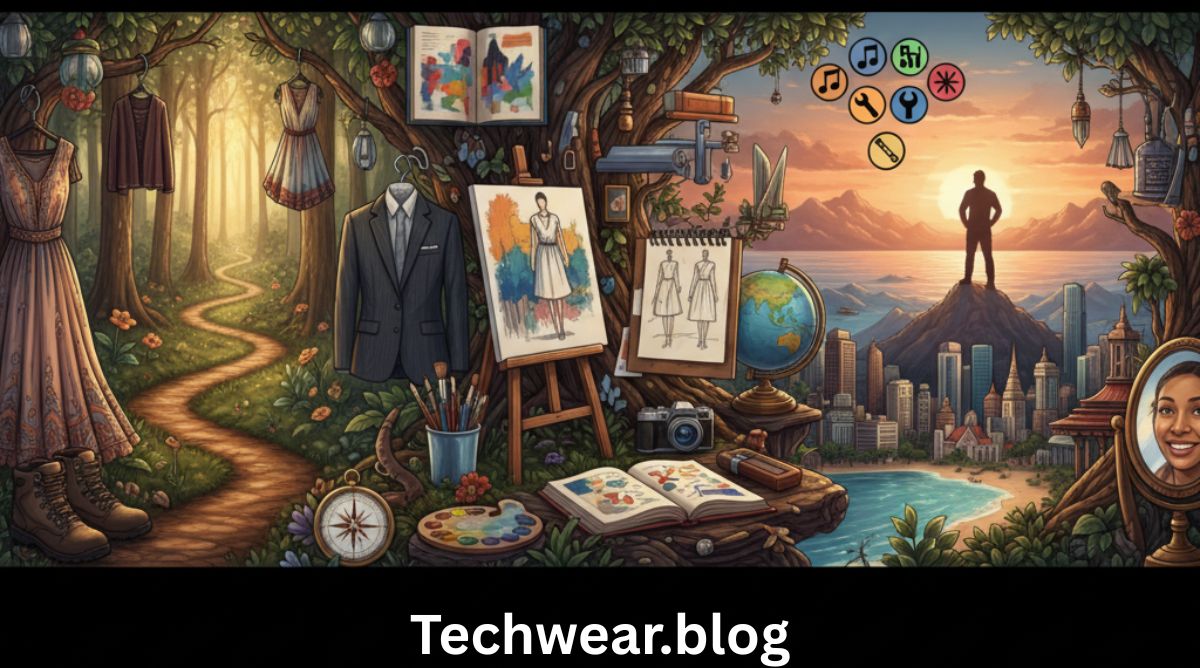
Discovering your personal style is like uncovering a visual language that speaks volumes about who you are—without needing to say a word. It’s not about wearing what everyone else does or following the latest trends. Instead, it’s about understanding what resonates with you, what feels natural, and what gives you confidence every time you look in the mirror. Learning how to discover your style takes time, patience, and a bit of self-exploration, but the results are deeply rewarding.
Before diving in, you can explore the broader idea of fashion on Wikipedia to understand how style influences self-expression and culture.
Understanding What Style Really Means
Your personal style isn’t just about clothes—it’s a reflection of your lifestyle, mood, and personality. It’s what sets you apart from everyone else, even if you’re wearing something simple.
When people wonder how to discover your style, they often think it means choosing between being trendy or classic. But style goes beyond categories—it’s about how you interpret fashion in your own way. For example, two people can wear the same white shirt, yet each can style it completely differently. That’s the magic of personal style—it’s individuality in motion.
Step 1: Observe What You’re Naturally Drawn To
The first step in discovering your style is to pay attention to what attracts you. Look at your favorite outfits, your saved social media photos, or even characters from films you admire.
Ask yourself:
- What do I feel most comfortable wearing?
- Do I prefer bold or subtle colors?
- Am I drawn to structured pieces or relaxed fits?
- Which outfits make me feel the most confident?
Patterns will begin to emerge—maybe you’re into clean, minimalist looks or love romantic, vintage-inspired pieces. Once you start noticing these preferences, you’ll be one step closer to understanding your personal aesthetic.
Step 2: Take Inspiration from Everywhere
Inspiration can come from many sources—fashion magazines, movies, Pinterest, Instagram, or even people you see on the street. If you’re learning how to discover your style, create a digital or physical mood board filled with images of outfits, textures, and colors that catch your eye.
As you collect inspiration, you’ll notice recurring themes—maybe you love denim jackets, earth-toned outfits, or elegant dresses. These recurring choices reflect your subconscious preferences.
Some timeless style icons to draw from include:
- Classic Elegance: Audrey Hepburn, Meghan Markle, or Tom Hiddleston.
- Bohemian Freedom: Sienna Miller, Florence Welch, or Johnny Depp.
- Streetwear Edge: Billie Eilish, Travis Scott, or Hailey Bieber.
- Minimalist Sophistication: Steve Jobs, Victoria Beckham, or Kendall Jenner.
Remember, inspiration is not imitation—it’s the starting point for self-expression.
Step 3: Explore Your Wardrobe
Sometimes, the clues to your style are already in your closet. Go through your wardrobe and separate your clothes into categories: “love,” “maybe,” and “never wear.”
The “love” pile will reveal your true style preferences—the colors, fabrics, and silhouettes you feel best in. The “never wear” pile, on the other hand, shows what doesn’t suit you, whether it’s because of fit, comfort, or simply taste.
This exercise helps you recognize patterns. For example, if most of your favorite pieces are in neutral tones and simple cuts, you might naturally lean toward a minimalist aesthetic.
Step 4: Understand Your Body Type
No style journey is complete without understanding your body shape. Knowing what flatters your proportions helps you make confident choices.
Common Body Shapes and Suggested Styles
- Hourglass: Defined waist and balanced hips and shoulders. Opt for fitted clothes and wrap dresses.
- Pear: Wider hips than shoulders. A-line skirts and structured tops create balance.
- Apple: Fuller midsection with slimmer legs. Choose empire waistlines and V-necks.
- Rectangle: Straight silhouette. Add layers, belts, or flared pieces to create curves.
- Inverted Triangle: Broad shoulders, narrow hips. Flowy skirts and wide-leg pants balance the frame.
Understanding your shape allows you to highlight your best features and feel confident in every outfit.
Step 5: Find Your Color Palette
Color plays a huge role in how to discover your style. Some colors can enhance your natural features, while others might feel off. The secret lies in knowing your undertone:
- Warm Undertones: Look great in earthy tones like brown, mustard, coral, and olive.
- Cool Undertones: Shine in blues, purples, emeralds, and silvers.
- Neutral Undertones: Can wear both warm and cool colors with ease.
Experiment with different shades and observe which ones make your complexion glow. Once you identify your best colors, your wardrobe will feel more cohesive and flattering.
Step 6: Experiment Without Fear
Discovering your style means taking risks. You can’t know what suits you until you try it. Visit stores or thrift shops and test new silhouettes—try oversized blazers, long skirts, or bold prints.
Take mirror photos to see what works. Often, an outfit you didn’t expect to love becomes your new favorite. Style discovery is about curiosity, not perfection.
Fashion is meant to be playful, so give yourself permission to explore without judgment.
Step 7: Define Your Lifestyle
Your lifestyle influences your wardrobe more than you might think. Your daily activities, environment, and personal goals all determine what clothes make sense for you.
If you’re a student, you might favor comfort—think jeans, sneakers, and T-shirts. Professionals often lean toward structured, business-casual looks like blazers and dress shirts. Creative individuals may enjoy artistic, eclectic styles that reflect their imagination.
When your wardrobe aligns with your lifestyle, it feels authentic and practical rather than forced.
Step 8: Build a Capsule Wardrobe
Once you start identifying what you love, begin building a capsule wardrobe—a curated selection of essential, versatile pieces that mix and match effortlessly.
Your capsule wardrobe might include:
- A perfectly fitted pair of jeans
- A white button-down shirt
- A tailored blazer
- A classic coat or jacket
- A neutral sweater
- A versatile dress
- Comfortable sneakers and dress shoes
This foundation makes getting dressed easier while leaving room for expressive pieces that highlight your personality.
Step 9: Balance Trends with Timelessness
Trends are fun, but they fade fast. The key to long-term style is balance—mix timeless staples with trendy elements. For instance, if cropped blazers are trending, incorporate one into your neutral wardrobe without overhauling your entire look.
When you focus on timeless fashion choices—like denim, neutral colors, and classic silhouettes—you ensure your wardrobe remains stylish for years.
Step 10: Let Confidence Lead
Confidence is the essence of style. No matter what you wear, your attitude determines how it’s perceived. When you feel good in your outfit, you carry yourself differently—your posture straightens, your energy shifts, and your confidence radiates.
The best part of how to discover your style is that it’s personal—there’s no right or wrong way. Whether you love bold patterns or prefer monochrome minimalism, confidence is the element that makes it work.
Step 11: Evolve with Time
Your style will naturally change as you do. Experiences, age, and even mood can shift your aesthetic preferences. What felt right in your early 20s might not reflect your vibe later in life—and that’s perfectly normal.
Revisit your wardrobe occasionally to edit and refine it. Donate or repurpose clothes that no longer represent you, and invest in pieces that align with your evolving identity.
Step 12: Sustainability and Conscious Choices
In today’s fashion world, discovering your style also means being conscious of your choices. Focus on quality over quantity. Choose fabrics that last, support ethical brands, and consider thrifting as a sustainable option.
Not only does this approach reduce waste, but it also helps you build a meaningful wardrobe that tells your story.
Conclusion
Learning how to discover your style is not about fitting into a fashion box—it’s about self-expression, confidence, and authenticity. Your style should mirror who you are, how you live, and how you feel.
To recap:
- Observe what inspires you.
- Understand your body type and color palette.
- Experiment with different looks.
- Build a versatile wardrobe.
- Let confidence be your ultimate accessory.
Remember, style is not static—it evolves with you. The goal isn’t perfection but self-awareness. When you wear what feels true to you, you’ll not only look stylish but also radiate confidence from within.
Wikipedia Source: Fashion – Wikipedia