









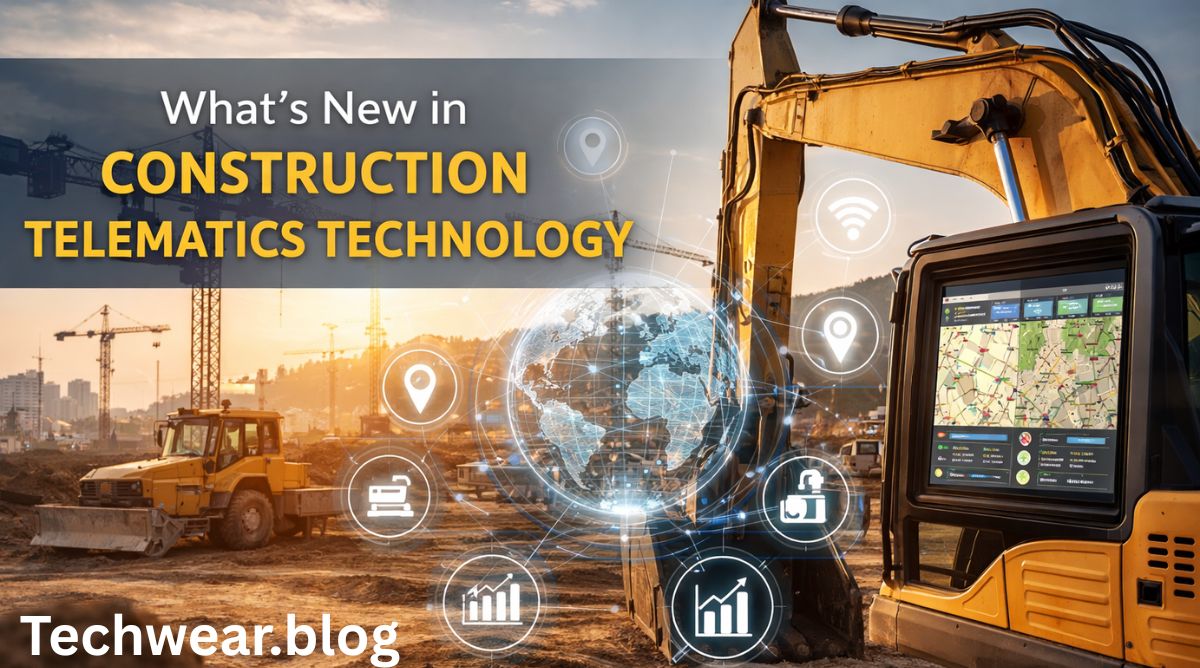
Construction telematics technology has evolved rapidly in recent years, transforming how construction companies monitor, manage, and optimize their equipment and operations. What was once limited to basic GPS tracking has now become a sophisticated ecosystem of connected devices, data analytics, automation, and artificial intelligence. Understanding what’s new in construction telematics technology is essential for companies aiming to improve efficiency, reduce costs, and stay competitive in a fast-changing industry.
Evolution of Construction Telematics
Telematics in construction originally focused on simple location tracking of heavy equipment. Early systems allowed managers to know where machines were located, helping prevent theft and improve logistics. Over time, telematics expanded to include engine diagnostics, fuel usage monitoring, and maintenance alerts.
Today, modern telematics systems go far beyond tracking. They provide real-time insights into equipment performance, operator behavior, job site conditions, and overall productivity. This evolution has been driven by advancements in sensors, connectivity, and cloud computing, making telematics a central component of smart construction practices.
Integration of IoT in Telematics
One of the biggest innovations in construction telematics is the integration of the Internet of Things. IoT-enabled devices are now embedded in machinery, tools, and even wearable gear used by workers. These devices continuously collect and transmit data, allowing for real-time monitoring and analysis.
For example, sensors can track engine temperature, vibration levels, and hydraulic pressure. This data helps identify potential issues before they become major problems. IoT integration also enables seamless communication between different machines on a job site, improving coordination and efficiency.
Real-Time Data and Advanced Analytics
Modern telematics systems provide real-time data that can be accessed from anywhere. This allows project managers to make informed decisions quickly, reducing downtime and improving productivity. Advanced analytics tools process large volumes of data to identify patterns and trends.
Predictive analytics is one of the most significant advancements in this area. By analyzing historical and real-time data, telematics systems can predict when equipment is likely to fail or require maintenance. This proactive approach reduces unexpected breakdowns and extends the lifespan of machinery.
Artificial Intelligence and Machine Learning
Artificial intelligence and machine learning are playing an increasingly important role in construction telematics. These technologies enable systems to learn from data and improve over time. AI can analyze complex datasets to optimize equipment usage, reduce fuel consumption, and enhance overall efficiency.
Machine learning algorithms can also identify unsafe operating conditions and provide recommendations to improve safety. For instance, if a machine is being operated outside its optimal parameters, the system can alert the operator or manager. This level of intelligence was not possible in earlier telematics systems.
Automation and Remote Control
Another major development in construction telematics is the rise of automation and remote control capabilities. Modern systems allow operators to control equipment remotely, reducing the need for physical presence in hazardous environments. This improves safety and enables operations in difficult or inaccessible areas.
Automation also extends to routine tasks such as grading, digging, and material handling. Telematics systems can guide machines with high precision, reducing errors and increasing efficiency. This integration of telematics with automation is a key step toward fully autonomous construction sites.
Enhanced Safety Features
Safety has always been a priority in construction, and telematics technology is playing a vital role in improving it. New systems include features such as geofencing, collision detection, and operator monitoring. Geofencing allows managers to set virtual boundaries, ensuring that equipment operates only within designated areas.
Wearable devices equipped with telematics sensors can monitor worker health and safety. These devices can detect fatigue, monitor vital signs, and send alerts in case of emergencies. By combining equipment data with worker data, telematics systems create a safer and more responsive work environment.
Fleet Management Innovations
Fleet management has seen significant improvements with the latest telematics technology. Companies can now monitor entire fleets of equipment from a single dashboard. This includes tracking usage, fuel consumption, maintenance schedules, and operator performance.
New features such as automated reporting and performance benchmarking help companies identify inefficiencies and optimize operations. Fleet managers can compare different machines and operators to determine best practices and improve overall productivity. These innovations make it easier to manage large and complex construction projects.
Cloud-Based Telematics Platforms
Cloud computing has revolutionized construction telematics by enabling centralized data storage and access. Modern telematics platforms are cloud-based, allowing users to access information from any device with an internet connection. This flexibility improves collaboration and decision-making.
Cloud platforms also support integration with other software systems such as project management tools, accounting systems, and enterprise resource planning solutions. This creates a unified digital ecosystem where all aspects of a construction project are interconnected.
Sustainability and Environmental Monitoring
Sustainability is becoming increasingly important in the construction industry, and telematics technology is helping companies reduce their environmental impact. New systems can monitor fuel consumption, emissions, and energy usage in real time.
By analyzing this data, companies can identify ways to reduce waste and improve efficiency. For example, telematics can highlight idle time in equipment, allowing managers to take steps to reduce unnecessary fuel consumption. This not only lowers costs but also supports environmental goals.
Connectivity Advancements
Advancements in connectivity, such as 5G and satellite communication, are enhancing the capabilities of construction telematics. Faster and more reliable connections enable real-time data transmission even in remote locations. This is particularly important for construction projects in rural or undeveloped areas.
Improved connectivity also supports the integration of multiple systems and devices. Machines, sensors, and software platforms can communicate seamlessly, creating a fully connected job site. This level of connectivity is essential for the future of smart construction.
Digital Twins and Simulation
Digital twin technology is another exciting development in construction telematics. A digital twin is a virtual representation of a physical asset or system. By combining telematics data with simulation tools, companies can create accurate digital models of their equipment and job sites.
These models allow for testing and optimization without affecting real-world operations. For example, managers can simulate different scenarios to determine the most efficient way to complete a project. This reduces risks and improves planning accuracy.
User-Friendly Interfaces and Mobile Access
Modern telematics systems are designed with user experience in mind. Intuitive interfaces and mobile applications make it easier for users to access and understand data. This is a significant improvement over older systems, which often required specialized knowledge to operate.
Mobile access allows managers and operators to stay connected even when they are on the move. They can receive alerts, view reports, and make decisions in real time. This level of accessibility enhances efficiency and responsiveness.
Challenges and Future Trends
Despite its many benefits, construction telematics technology also faces challenges. Data security and privacy are major concerns, as large amounts of sensitive information are collected and transmitted. Companies must invest in robust security measures to protect their data.
Another challenge is the cost of implementation. Advanced telematics systems can be expensive, especially for small and medium-sized companies. However, as technology continues to evolve, costs are expected to decrease, making telematics more accessible.
Looking ahead, the future of construction telematics is promising. Emerging trends include greater use of autonomous equipment, deeper integration with artificial intelligence, and more advanced predictive capabilities. As technology continues to advance, telematics will play an even more critical role in shaping the construction industry.
Conclusion
What’s new in construction telematics technology reflects a shift toward smarter, more connected, and more efficient construction practices. From IoT integration and real-time analytics to AI-driven insights and automation, the latest advancements are transforming how construction projects are managed.
By adopting these innovations, companies can improve productivity, enhance safety, reduce costs, and achieve greater sustainability. As the technology continues to evolve, staying informed about the latest developments in construction telematics will be essential for success in the modern construction landscape.