









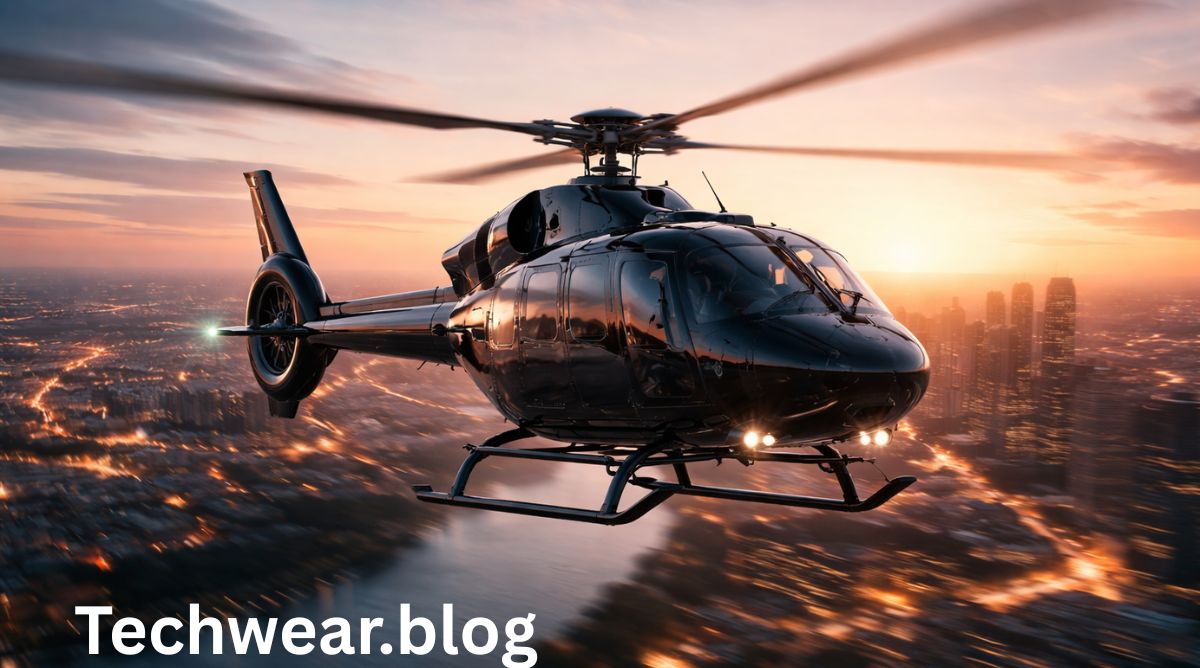
Helicopters are one of the most versatile aircraft ever created. Unlike airplanes, which require long runways for takeoff and landing, helicopters can lift off vertically, hover in the air, and travel in multiple directions. Because of these unique capabilities, helicopters are widely used in transportation, military operations, emergency services, tourism, and rescue missions. One of the most common questions people ask about helicopters is how fast they can travel. Understanding helicopter speed involves looking at several factors including design, engine power, rotor technology, and the purpose of the helicopter.
The speed of a helicopter varies depending on the type of helicopter and its design. While helicopters are not usually as fast as airplanes, they offer advantages in maneuverability and accessibility that make them extremely valuable in many situations.
Average Speed of a Helicopter
The average speed of a helicopter typically ranges between 150 and 260 kilometers per hour, which is about 90 to 160 miles per hour. This range depends on the helicopter’s size, engine strength, and aerodynamic design.
Small civilian helicopters used for training or personal transportation usually travel at lower speeds. These helicopters often cruise at around 150 to 180 kilometers per hour. Medium-sized helicopters used for transport or law enforcement generally travel faster, with cruising speeds between 200 and 240 kilometers per hour. Larger and more powerful helicopters, especially those used in military or offshore operations, can reach speeds closer to 260 kilometers per hour.
The cruising speed is usually lower than the maximum speed because helicopters are designed to operate efficiently and safely during long flights. Pilots often maintain a comfortable cruising speed that balances fuel efficiency and stability.
Maximum Speed of a Helicopter
While the average speed gives a general idea of helicopter performance, the maximum speed represents the fastest velocity the helicopter can achieve under ideal conditions. Most modern helicopters can reach maximum speeds between 250 and 320 kilometers per hour.
However, helicopters face unique aerodynamic limitations that prevent them from reaching extremely high speeds. One major limitation is called rotor blade stall. This occurs when the airflow around the rotor blades becomes uneven at high speeds, reducing lift and creating instability. Because of this limitation, helicopter designers must carefully balance speed and stability.
Experimental helicopters and advanced designs have attempted to overcome these limitations by using special rotor systems or hybrid designs. Some advanced helicopters with compound rotor systems and additional propellers can exceed traditional helicopter speed limits, demonstrating how engineering innovation continues to push performance boundaries.
Factors That Affect Helicopter Speed
Several important factors influence how fast a helicopter can travel. These factors determine both the cruising speed and maximum speed of the aircraft.
Engine Power
The power generated by the helicopter’s engine plays a major role in determining speed. More powerful engines allow helicopters to generate greater lift and forward thrust. Helicopters with powerful turbine engines can achieve higher speeds compared to those with smaller piston engines.
Rotor Blade Design
The shape, length, and material of rotor blades greatly influence helicopter speed. Modern helicopters use aerodynamic rotor blades designed to reduce drag and improve efficiency. Lightweight composite materials also help increase performance by reducing overall weight.
Weight of the Helicopter
The weight of the helicopter affects how fast it can travel. Heavier helicopters carrying passengers, cargo, or additional equipment may travel more slowly than lighter helicopters. Reducing unnecessary weight allows the aircraft to move faster and use fuel more efficiently.
Aerodynamic Shape
Helicopters with streamlined bodies experience less air resistance. Aerodynamic improvements such as smoother fuselages and retractable landing gear help reduce drag and allow helicopters to travel faster.
Weather Conditions
External environmental conditions also influence helicopter speed. Strong headwinds can slow the helicopter down, while tailwinds may help increase ground speed. Temperature, air pressure, and altitude also affect engine performance and rotor efficiency.
Difference Between Helicopter Speed and Airplane Speed
Many people compare helicopter speed with airplane speed, but the two aircraft types are designed for different purposes. Airplanes are built primarily for high-speed travel over long distances. They rely on fixed wings to generate lift and can reach speeds exceeding 800 kilometers per hour.
Helicopters, on the other hand, prioritize maneuverability and flexibility rather than speed. They can take off vertically, hover in one place, and land in tight areas where airplanes cannot operate. This makes helicopters ideal for rescue operations, medical evacuation, military missions, and transportation to remote locations.
Although helicopters are slower than airplanes, their ability to operate in complex environments makes them extremely valuable in situations where speed alone is not the most important factor.
Speed of Different Types of Helicopters
Helicopters come in many types, each designed for specific tasks. As a result, their speeds vary depending on their role and engineering design.
Civilian Helicopters
Civilian helicopters used for private travel, training, or tourism usually have moderate speeds. These helicopters often cruise at around 160 to 200 kilometers per hour. Their design focuses on comfort, fuel efficiency, and safety rather than maximum speed.
Police and Emergency Helicopters
Law enforcement and emergency medical helicopters require faster speeds so they can respond quickly to emergencies. These helicopters typically cruise at speeds between 200 and 250 kilometers per hour, allowing them to reach accident sites or crime scenes quickly.
Military Helicopters
Military helicopters are often designed for speed and agility. Attack helicopters and transport helicopters may reach speeds close to 300 kilometers per hour. Their powerful engines and advanced rotor systems allow them to carry heavy equipment while maintaining high performance.
Heavy Transport Helicopters
Large transport helicopters used for cargo lifting or construction work are generally slower due to their heavy loads. These helicopters usually cruise at speeds between 180 and 220 kilometers per hour. Despite being slower, they are capable of lifting massive loads that airplanes cannot handle in confined spaces.
Why Helicopters Cannot Fly Extremely Fast
Helicopters face several aerodynamic challenges that limit their top speed. One of the main issues is the difference in airflow across the rotor blades.
When a helicopter moves forward, the rotor blade moving in the direction of travel experiences higher airspeed, while the blade moving in the opposite direction experiences lower airspeed. This difference creates uneven lift across the rotor system. At very high speeds, the retreating blade may lose lift, leading to instability.
Another limitation is drag. As helicopters move faster, air resistance increases significantly. Designers must balance speed with stability and safety, which is why helicopters generally operate within a specific speed range.
Technological Advances in Helicopter Speed
Modern aerospace engineers continue to develop technologies that allow helicopters to travel faster while maintaining stability. Several innovations are improving helicopter performance.
Composite Materials
Advanced composite materials are lighter and stronger than traditional metal components. These materials reduce overall aircraft weight and allow for improved aerodynamic performance.
Advanced Rotor Systems
New rotor designs are being developed to reduce vibration and improve lift efficiency. Some helicopters use coaxial rotors or compound rotor systems that help increase speed and stability.
Hybrid Helicopter Designs
Some modern aircraft combine helicopter rotors with airplane-style wings and propellers. These hybrid designs allow the aircraft to achieve higher speeds while maintaining vertical takeoff capability.
Improved Engines
More efficient turbine engines provide greater power and fuel efficiency. With stronger engines, helicopters can maintain higher speeds for longer distances.
How Pilots Control Helicopter Speed
Helicopter pilots control speed through a combination of rotor pitch adjustments and engine power management. By tilting the rotor system forward, the helicopter generates forward thrust that moves it through the air.
Pilots must carefully balance speed, altitude, and stability. Flying too fast can create aerodynamic issues, while flying too slowly may reduce lift efficiency. Experienced pilots constantly monitor instruments and environmental conditions to maintain safe flight performance.
Practical Uses of Helicopter Speed
Helicopter speed plays a critical role in many real-world operations. Faster helicopters allow emergency responders to reach people in need quickly, which can save lives in critical situations.
In medical evacuation missions, helicopters transport patients from accident sites to hospitals much faster than ground vehicles. In military operations, helicopter speed allows troops and equipment to be deployed rapidly in remote areas.
Helicopters are also used in offshore oil and gas operations, where workers must be transported between platforms and coastal bases efficiently. In tourism, helicopter tours provide quick transportation to scenic destinations that are otherwise difficult to reach.
Future of Helicopter Speed
The future of helicopter technology looks promising as engineers continue exploring new methods to increase speed and efficiency. Research into advanced aerodynamics, rotor designs, and hybrid aircraft systems may eventually produce helicopters capable of traveling much faster than current models.
Some experimental aircraft are already demonstrating speeds far beyond traditional helicopters. As technology improves, the next generation of rotorcraft may combine the speed of airplanes with the flexibility of helicopters.
Conclusion
Helicopters are remarkable aircraft known for their versatility and unique flying capabilities. While they may not be as fast as airplanes, they offer unmatched maneuverability and the ability to operate in locations that fixed-wing aircraft cannot access.
The average helicopter typically travels between 150 and 260 kilometers per hour, with maximum speeds reaching up to around 320 kilometers per hour depending on the design and purpose of the aircraft. Several factors influence helicopter speed, including engine power, rotor blade design, weight, aerodynamics, and environmental conditions.
Advances in engineering and technology continue to push the limits of helicopter performance. With ongoing innovation in materials, rotor systems, and hybrid aircraft designs, the future may bring helicopters that travel faster while maintaining the flexibility that makes them so valuable.
Understanding how fast a helicopter can travel helps highlight the balance between speed, safety, and versatility that defines rotorcraft aviation. Whether used for rescue missions, transportation, military operations, or tourism, helicopters remain one of the most important and adaptable aircraft in modern aviation.