









Introduction
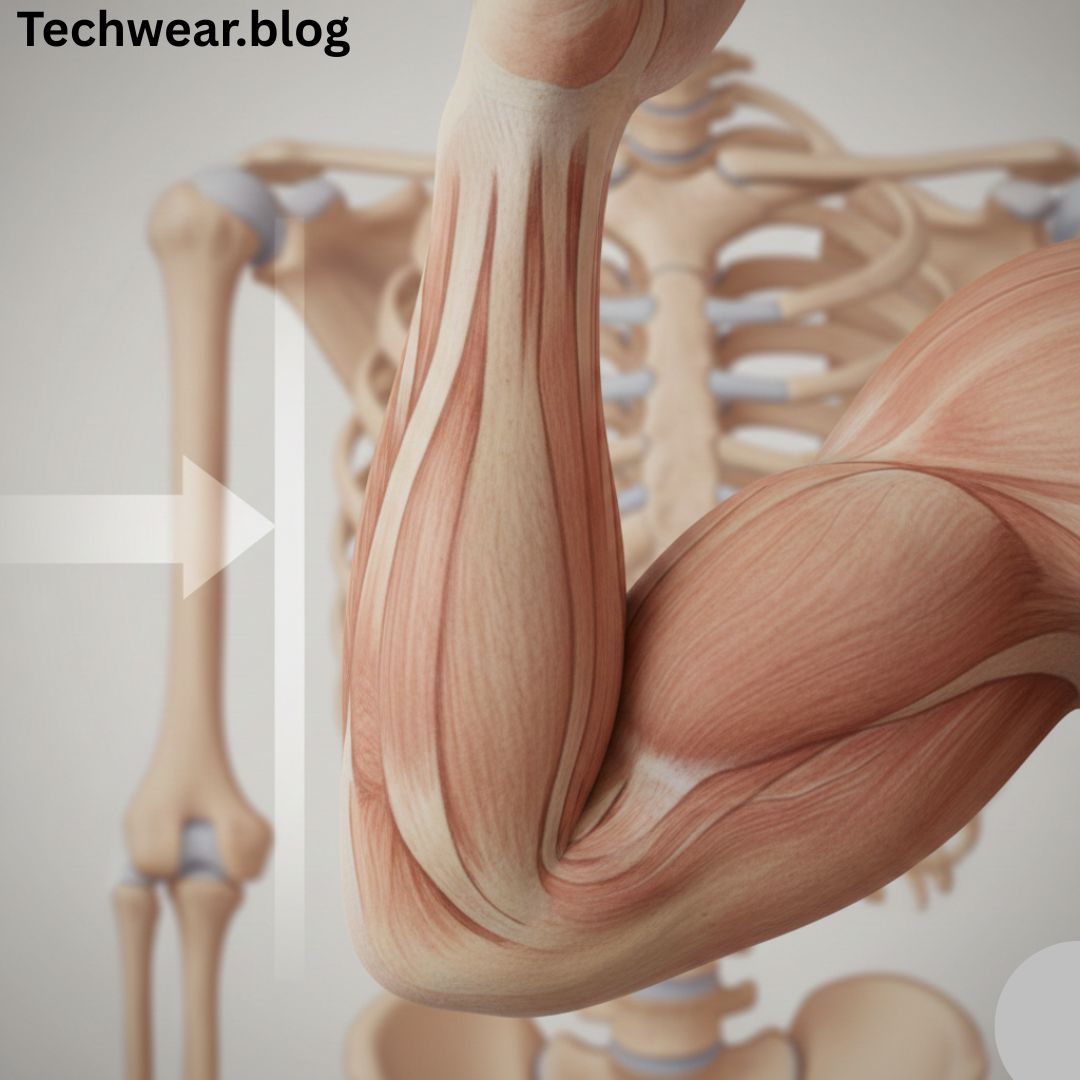
One of the most common questions about the human body is: why can our elbow not move backwards? At first glance, this may seem like a simple observation, but the answer involves anatomy, biomechanics, evolution, and protective design. The human elbow is a highly specialized joint that allows strength, control, and precision, but it deliberately limits movement in certain directions.
Unlike some animals whose limbs bend in different ways, the human elbow functions as a controlled hinge. This limitation is not a flaw—it is an essential feature that protects the arm, supports daily activities, and ensures long-term joint stability. To understand why backward movement is impossible, we must explore the structure of bones, ligaments, muscles, and the evolutionary role of the elbow.
Basic Structure of the Elbow Joint
The elbow is a hinge joint, meaning it is designed primarily to move in one plane. It connects three major bones:
- Humerus (upper arm bone)
- Ulna (inner forearm bone)
- Radius (outer forearm bone)
These bones fit together in a very precise way. The shape of the bone ends alone already limits backward movement before muscles or ligaments even come into play.
The ulna has a curved notch that tightly embraces the humerus, forming a natural mechanical block when the arm straightens fully.
The Role of Bone Shape in Preventing Backward Motion
One of the strongest reasons the elbow cannot bend backward lies in bone geometry.
Olecranon Process
The ulna has a bony projection called the olecranon process. This structure fits into a depression in the humerus when the arm straightens.
When the arm reaches full extension:
- The olecranon locks into place
- Bone meets bone
- Further backward motion is physically blocked
This bony lock acts as a natural stop, preventing damage from hyperextension.
Ligaments That Limit Elbow Movement
Ligaments are tough connective tissues that stabilize joints. The elbow has several key ligaments that prevent excessive movement:
1. Ulnar Collateral Ligament
This ligament stabilizes the inner side of the elbow and resists sideways and backward stress.
2. Radial Collateral Ligament
This ligament stabilizes the outer side of the elbow and prevents abnormal rotation.
3. Joint Capsule
The elbow is surrounded by a fibrous capsule that tightens as the arm straightens, limiting further extension.
Together, these ligaments act like seatbelts for the joint, stopping motion before injury occurs.
Muscle Function and Control
Muscles also play a crucial role in preventing backward movement.
Primary Muscles Involved
- Biceps brachii – bends the arm
- Triceps brachii – straightens the arm
When the elbow reaches full extension:
- The triceps contract fully
- Muscle tension increases
- The nervous system signals a stopping point
Muscles are not designed to pull the joint beyond this safe range. Doing so would tear tissue and damage the joint.
Nervous System Safety Mechanisms
The brain and spinal cord actively protect joints.
Proprioception
Proprioceptors are sensory receptors that tell your brain where your joints are in space. When the elbow approaches its limit:
- Proprioceptors fire warning signals
- Muscles reduce force
- Reflexes prevent overextension
This automatic response helps protect the joint from sudden trauma.
Why Some People Appear to Have “Double-Jointed” Elbows
Some individuals can extend their elbows slightly beyond straight, a condition known as joint hypermobility.
Important Clarification
Even in hypermobile individuals:
- The elbow still does not truly bend backward
- Bone structure remains unchanged
- Excess movement comes from loose ligaments
Extreme hyperextension is often painful and increases injury risk.
Evolutionary Reasons the Elbow Does Not Bend Backwards
Human anatomy evolved for survival, tool use, and endurance.
Key Evolutionary Advantages
- Strong pushing and pulling
- Efficient climbing
- Tool throwing and lifting
- Fine motor control
Backward-bending elbows would:
- Reduce arm strength
- Increase dislocation risk
- Make precise movements difficult
Evolution favored a stable hinge joint instead of flexibility in all directions.
Comparison With Animal Limbs
Some animals appear to have elbows that bend backward, but this is usually a visual illusion.
Examples
- Dogs and cats: what looks like a backward elbow is actually the wrist
- Horses: limb structure is completely different
- Birds: wing joints are adapted for flight
Human elbows are optimized for manipulation, not speed or jumping.
What Happens If the Elbow Is Forced Backwards
When backward force exceeds the elbow’s natural limit, injury occurs.
Possible Injuries
- Ligament tears
- Joint dislocation
- Bone fractures
- Nerve damage
- Chronic instability
This is why falls, sports accidents, or car crashes often result in elbow injuries.
Medical Conditions Affecting Elbow Movement
Certain conditions can affect how the elbow functions:
1. Arthritis
Joint inflammation can reduce range of motion.
2. Previous Injury
Scar tissue can alter movement patterns.
3. Congenital Conditions
Rare genetic conditions may slightly alter joint structure, but backward bending is still limited.
Why the Elbow Is a Hinge and Not a Ball-and-Socket Joint
Shoulders and hips are ball-and-socket joints, allowing movement in many directions. Elbows are not.
Reasons
- Stability is more important than flexibility
- Precision requires controlled motion
- Heavy lifting demands strong joint locking
If the elbow were flexible like the shoulder, it would be far weaker and more injury-prone.
Role of the Elbow in Daily Activities
The elbow’s limited motion supports essential tasks:
- Lifting objects
- Writing
- Eating
- Pushing doors
- Carrying weight
- Throwing
Backward bending would compromise these actions.
Can Training or Stretching Make the Elbow Bend Backwards?
No. Exercise can improve strength and flexibility within safe limits, but it cannot change bone structure.
Attempts to force backward movement can cause:
- Ligament damage
- Chronic pain
- Joint instability
Healthy joints should never be forced beyond their anatomical design.
Sports and Elbow Protection
Athletes are especially careful with elbow protection.
High-Risk Sports
- Gymnastics
- Wrestling
- Football
- Skateboarding
- Martial arts
Protective gear and training techniques focus on preventing hyperextension.
Why Elbow Design Is a Protective Advantage
The elbow’s inability to bend backward:
- Prevents dislocation
- Preserves joint alignment
- Supports long-term durability
- Reduces wear and tear
This design allows humans to use their arms powerfully throughout a lifetime.
Common Myths About Elbow Movement
Myth 1: Elbows should be able to bend backward
False — that would cause constant injuries.
Myth 2: Flexible elbows are healthier
False — excessive flexibility increases joint damage.
Myth 3: Backward movement is possible with training
False — anatomy cannot be trained beyond its structure.
The Perfect Balance of Strength and Safety
The elbow represents one of the best examples of biological engineering:
- Enough movement for function
- Enough restriction for safety
- Strong structural support
- Efficient energy use
Nature prioritizes reliability over unnecessary flexibility.
Conclusion
The reason our elbow cannot move backwards lies in a combination of bone structure, ligament strength, muscle control, nervous system protection, and evolutionary design. The elbow is a hinge joint built for stability, power, and precision—not extreme flexibility. Its inability to bend backward protects us from injury and allows us to perform countless daily tasks safely and efficiently.
Rather than being a limitation, this design is one of the body’s greatest strengths. The human elbow is perfectly engineered to balance movement and protection, ensuring durability throughout a lifetime.