








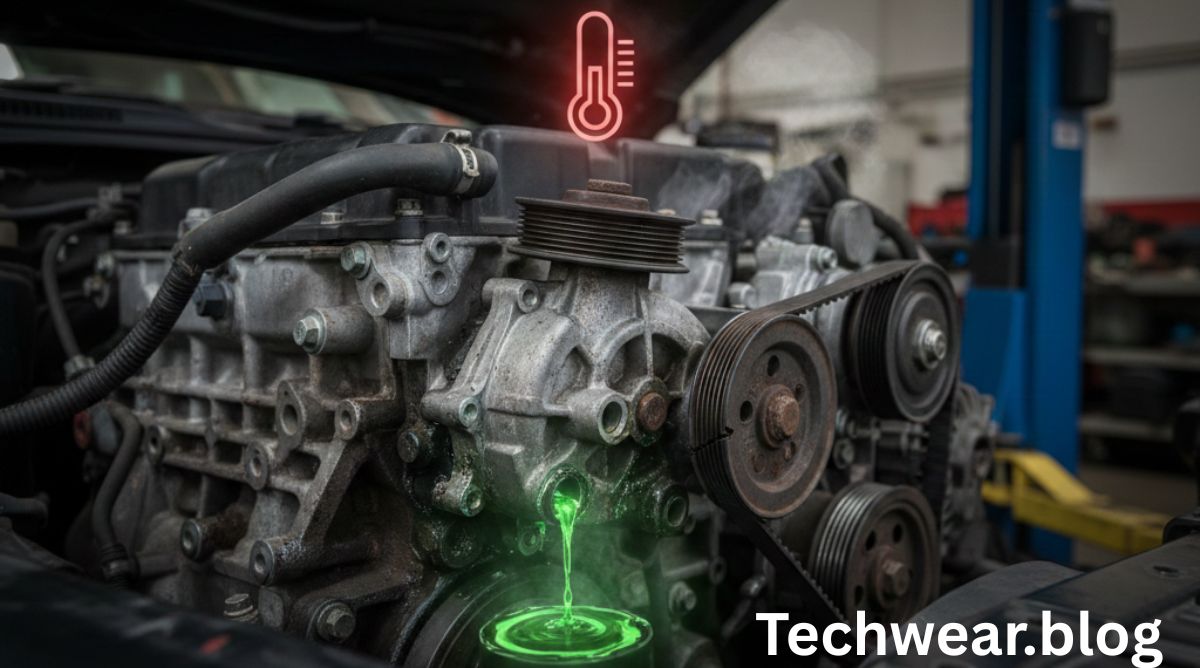
The water pump is one of the most essential components in your car’s cooling system. It circulates coolant through the engine and radiator, keeping the engine temperature regulated and preventing overheating. If your water pump begins to fail, it can lead to major engine damage — including blown head gaskets or even a cracked engine block.
Knowing how to tell if your water pump is bad can help you catch issues early, saving you time, money, and stress. In this detailed guide we’ll cover what the water pump does, the most common symptoms of failure, how to inspect it, and what to do if it’s going bad.
What Does a Water Pump Do?
Your car’s water pump is responsible for circulating coolant throughout the engine and radiator. It ensures that the engine maintains an optimal operating temperature by moving coolant from the radiator through the engine block, cylinder head, and heater core, then back again.
It’s typically driven by one of the following:
- Serpentine belt (most modern vehicles)
- Timing belt or timing chain (in older models or specific engine designs)
The pump’s impeller, which is located inside the housing, uses centrifugal force to push coolant through the cooling system.
Without a functioning water pump, the coolant won’t flow properly — causing your engine to overheat and potentially seize up.
Why the Water Pump Is So Important
An engine generates massive amounts of heat when running. The cooling system — consisting of the radiator, coolant, thermostat, and water pump — works together to keep the temperature steady.
If the water pump fails, coolant circulation stops, and the engine temperature rises rapidly. In just minutes, you could face severe engine damage.
That’s why it’s critical to recognize the early warning signs of a failing pump and act before it’s too late.
Common Signs of a Bad Water Pump
Here are the most common symptoms that indicate your water pump may be failing:
1. Coolant Leak Under the Front of the Vehicle
One of the first and most obvious signs is a coolant leak coming from the front of your engine.
The water pump has seals and gaskets that prevent coolant from leaking out. Over time, these seals can wear out, causing coolant to drip or puddle under your car — usually near the middle or front.
- Look for a green, orange, or pink puddle under your car (depending on the coolant type).
- Check the pump area for wetness or dried coolant residue (often a chalky or crusty buildup).
If you see these signs, your water pump is likely leaking and needs replacement.
2. Engine Overheating
If the water pump fails completely, the coolant won’t circulate through the engine. This will cause the temperature gauge to rise quickly.
An overheating engine can lead to catastrophic damage like warped cylinder heads or a blown head gasket. If your temperature gauge spikes or you see steam coming from under the hood, pull over immediately and turn off the engine.
Never continue driving with an overheating engine — it’s one of the most serious symptoms of a failing water pump.
3. Whining or Grinding Noise
A bad water pump often makes unusual noises when the internal bearings start to wear out.
- A high-pitched whining sound that increases with engine speed may indicate a worn-out bearing or a loose belt.
- A grinding or growling noise can signal that the internal bearing is about to seize.
If the pump bearings fail completely, the impeller may stop spinning — cutting off coolant flow entirely. In this case, immediate replacement is necessary.
4. Steam Coming from the Radiator or Engine Bay
Seeing steam escaping from under your hood is a sure sign that your cooling system is failing — and the water pump could be to blame.
When the pump stops working or leaks severely, coolant overheats and boils, producing steam. Pull over safely and turn off the engine immediately to avoid engine damage.
5. Rust or Corrosion on the Pump Surface
Inspect the water pump (if visible) for signs of rust, corrosion, or pitting on its housing. This can be caused by:
- Using the wrong type of coolant
- Mixing different coolant brands
- Allowing coolant to remain stagnant for too long
Corrosion weakens the pump’s structure and can lead to leaks or failure.
6. Loose or Wobbly Water Pump Pulley
If your vehicle uses a serpentine belt to drive the water pump, the pulley should spin smoothly without wobbling.
You can test this by:
- Turning off the engine
- Opening the hood and locating the water pump pulley
- Trying to wiggle it by hand
If it feels loose or makes noise when turned, the internal bearing may be worn — a clear indicator of a failing water pump.
7. Low Coolant Levels Without Visible Leaks
If you constantly need to top off your coolant but don’t see any visible leaks, it could be escaping from the water pump’s weep hole — a small opening designed to relieve pressure when the internal seal fails.
Check around the pump area for dried coolant trails or stains. Even minor leaks can lead to overheating over time.
8. Poor Cabin Heater Performance
Your car’s heater uses hot coolant from the engine to warm the cabin air. If the water pump isn’t circulating coolant properly, you may notice that your heater blows lukewarm or cold air, even when the engine is hot.
This symptom often appears before overheating occurs and indicates poor coolant circulation.
How to Inspect Your Water Pump
Now that you know the symptoms, here’s how to inspect your water pump to confirm if it’s the culprit.
1. Visual Inspection
- Look for coolant leaks, rust, or crusty residue around the pump.
- Check the pulley for wobble or looseness.
- Inspect the belt that drives the pump for wear, cracks, or looseness.
If your pump is belt-driven, a slipping belt can cause intermittent failures or noise.
2. Check Coolant Flow
With the radiator cap off (only when the engine is cool), start the car and let it warm up. Once the thermostat opens, you should see coolant flowing inside the radiator.
If the coolant remains still, the water pump may not be circulating fluid properly.
3. Listen for Noise
Use a mechanic’s stethoscope or a length of hose to listen to the pump while the engine is running. If you hear whining, grinding, or rumbling directly from the pump, the bearings may be worn.
4. Pressure Test the Cooling System
A cooling system pressure tester can help identify leaks, including those from the water pump. By applying pressure to the system, you can spot fluid seeping from the pump or its gasket.
What Causes a Water Pump to Fail?
Several factors can lead to water pump failure:
- Old age and wear: Pumps last roughly 60,000 to 100,000 miles.
- Coolant contamination: Using the wrong type or mixing different coolants can corrode internal seals.
- Loose or worn belt: A slipping belt reduces pump speed, affecting coolant circulation.
- Faulty bearings: Bearings wear out over time, especially under heat and tension.
- Improper installation: Incorrect torque on bolts or poor gasket sealing can cause leaks.
Regular maintenance and using the correct coolant can significantly extend your water pump’s lifespan.
How to Confirm a Bad Water Pump
If you’ve noticed some of the above symptoms, here’s how to confirm it’s definitely the water pump and not another cooling component:
- Overheating + leak at front = likely pump failure
- Noise + wobbling pulley = bearing failure
- Coolant disappearing slowly = leaking weep hole
- No coolant flow + normal thermostat = pump impeller issue
If multiple symptoms occur together, it’s almost certain your pump is bad and needs replacement.
How Much Does It Cost to Replace a Water Pump?
The cost depends on your vehicle type and whether the pump is driven by a serpentine belt or timing belt.
| Vehicle Type | Estimated Cost (Parts + Labor) |
|---|---|
| Compact car | $300 – $600 |
| SUV / Truck | $500 – $900 |
| Luxury / performance car | $800 – $1,500 |
If your pump is driven by the timing belt, it’s often replaced at the same time since both are difficult to access. This can save labor costs later.
Can You Drive with a Bad Water Pump?
Technically, you can drive a short distance with a slightly leaking water pump, but it’s not recommended.
If the pump completely fails, your engine will overheat within minutes — and you could face thousands in repair costs.
If you suspect pump failure, avoid driving and have your vehicle towed to a repair shop.
Preventing Water Pump Problems
Here’s how to keep your water pump in good condition:
- Change coolant regularly: Follow manufacturer intervals, usually every 30,000–60,000 miles.
- Use the correct coolant: Never mix colors or brands; stick to what’s specified for your vehicle.
- Inspect belts: Replace worn or cracked serpentine or timing belts promptly.
- Flush the cooling system: A coolant flush removes rust and debris that can wear out seals.
- Pay attention to noises or leaks: Early detection can prevent complete failure.
Final Thoughts: Spotting a Bad Water Pump Early
Learning how to tell if your water pump is bad can save you from major engine damage and expensive repairs.
To summarize:
- Watch for leaks, noise, and overheating.
- Check for rust, corrosion, or a wobbly pulley.
- Confirm coolant flow and look for low levels.
- Replace the pump if multiple symptoms appear together.
By performing regular inspections and maintaining your cooling system, you can ensure your water pump continues circulating coolant efficiently — keeping your engine cool, reliable, and performing at its best for years to come.
In short: The water pump is the heart of your cooling system. Knowing when it’s failing — and addressing it promptly — protects your car’s engine from catastrophic damage, giving you peace of mind every time you drive.